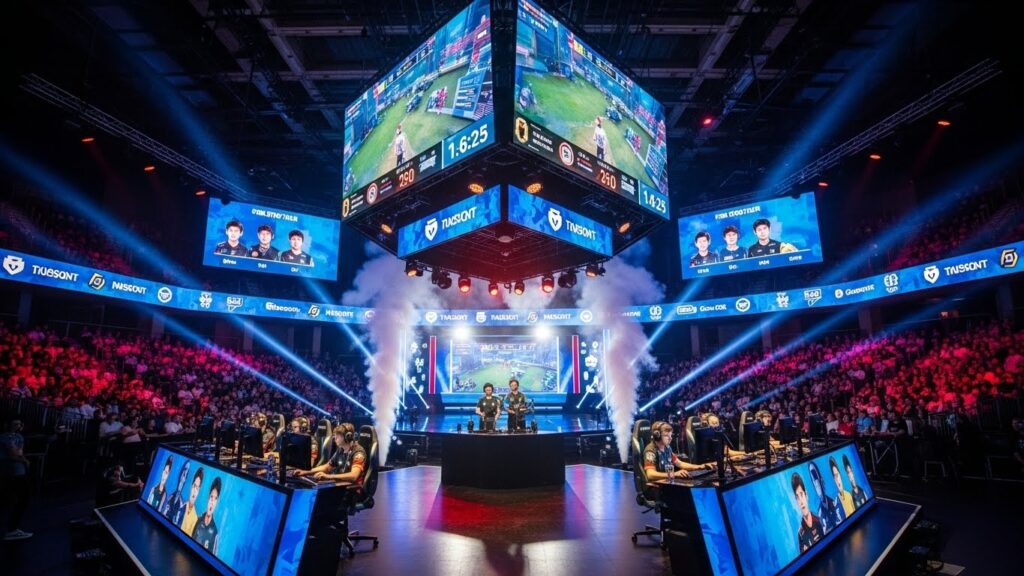
Esports has quickly evolved from a niche pastime into a global juggernaut, capturing the imagination of millions of players, viewers, and industry professionals. It’s no longer just about gaming—it’s a massive entertainment industry with its own ecosystem, encompassing everything from professional leagues and sponsorships to streaming platforms and merchandise sales. Esports is reshaping the way we view competitive sports, creating a new avenue for athletes, fans, and even businesses to engage in the world of gaming.
In this blog post, we’ll explore the meteoric rise of esports, the factors contributing to its success, the unique culture it has created, and the future of this rapidly growing industry.
What Is Esports? The Definition and the Game
At its simplest, esports refers to competitive video gaming. Players, either individually or as part of a team, engage in tournaments and leagues that test their skills in various video games. These games span a wide range of genres, including first-person shooters (FPS), multiplayer online battle arenas (MOBAs), real-time strategy (RTS), and even sports simulations. Titles like “League of Legends,” “Dota 2,” “Counter-Strike: Global Offensive,” “Fortnite,” and “Overwatch” have become household names, thanks to their massive player bases and competitive ecosystems.
However, esports is not just about playing video games—it’s about competing at the highest level, where performance, strategy, and teamwork are essential for victory. The professionalization of esports has elevated it from an informal competition to an organized industry with sponsors, coaches, analysts, and media rights deals similar to those seen in traditional sports.
The Explosive Growth of Esports
The growth of esports in the past decade has been nothing short of remarkable. What was once a fringe activity has now become a billion-dollar industry, attracting a global fanbase of millions. Key factors behind this rapid expansion include the rise of streaming platforms, the accessibility of online gaming, and the increasing investment from major brands.
Streaming: The Heartbeat of Esports
The emergence of platforms like Twitch and YouTube Gaming has revolutionized how fans interact with esports. These platforms allow viewers to watch live streams of professional tournaments, as well as everyday gaming content from popular streamers. The accessibility of live streaming has been a game-changer for the esports community, giving fans a front-row seat to all the action while simultaneously boosting player and team visibility.
Streaming has become an essential part of esports, both for viewing and for player careers. Top streamers like Ninja, Shroud, and Pokimane have built large followings, turning their gaming skills into full-time jobs. In addition to streaming, many players also use social media to connect with fans, further fostering a sense of community and engagement.
The Role of Sponsorships and Investments
As esports has grown, so too has the influx of investment and sponsorship. Companies from outside the gaming world have recognized the potential of esports as a marketing platform, leading to major partnerships with brands like Coca-Cola, Intel, Nike, and Audi. These sponsorships are crucial for the financial stability of teams, tournaments, and individual players, helping to fund everything from tournament prize pools to team salaries.
Furthermore, esports has attracted investments from venture capital firms and even traditional sports teams. These investments have spurred the creation of new leagues, infrastructure, and events, pushing esports to the forefront of global entertainment.
Esports Culture: A Global Community
One of the most unique aspects of esports is the thriving, diverse community that has grown around it. Esports is not just about the players—it’s about the fans, content creators, and influencers who contribute to the ecosystem. Esports has created a culture of collaboration, competition, and inclusivity, where people from all corners of the world can come together and share their passion for gaming.
Fans and Their Devotion
The bond between fans and esports is incredibly strong. Fans don’t just support teams—they follow individual players, cheer for their favorite streamers, and engage in online discussions about their favorite games and players. The interaction between fans and players has fostered an ecosystem of mutual support, where players are seen as heroes and role models, not just in the gaming world, but in mainstream entertainment.
Esports fans are often deeply invested in the success of their favorite teams or players. Many fans attend live events, where they can watch matches in person, meet other fans, and experience the thrill of competition firsthand. The sense of community is amplified by online forums, social media, and streaming platforms, where fans can interact with one another and even directly with players.
The Rise of Esports Influencers
Esports influencers have become some of the most recognizable personalities in the gaming world. These content creators have leveraged their popularity to build lucrative careers, using platforms like Twitch and YouTube to stream their gameplay, comment on industry news, and engage with their audiences. Streamers like Ninja and Pokimane have turned gaming into a mainstream career, attracting millions of viewers, lucrative sponsorships, and a global fanbase.
Esports influencers don’t just play games—they shape the conversation around esports. They help promote games, organize tournaments, and act as ambassadors for the esports community, making gaming more accessible and appealing to people outside the traditional gaming demographic.
Esports and Traditional Sports: Bridging the Gap
Esports is increasingly being recognized as a legitimate sport, and in some ways, it’s blurring the lines between traditional and virtual sports. Professional sports teams are investing in esports organizations, and some even have their own esports teams. For example, the NBA’s Philadelphia 76ers own an esports team that competes in the “NBA 2K League,” and the NFL’s Dallas Cowboys have also invested in esports.
This convergence of traditional sports and esports highlights the similarities between them: the competitive spirit, the dedication required, and the immense pressure to perform at the highest level. Esports events are often treated with the same level of seriousness and attention as traditional sports tournaments, with elaborate staging, intense competition, and even media coverage.
Furthermore, esports has led to the development of new sports games that allow fans to experience virtual versions of their favorite sports. Games like “FIFA” and “Madden NFL” have become integral parts of the esports landscape, allowing gamers to simulate professional sports competitions.
The Economic Impact of Esports
Esports is no longer just a hobby—it’s a thriving industry with a massive economic footprint. According to recent reports, the global esports industry is expected to surpass $1 billion in revenue, with the majority of that revenue coming from sponsorships, media rights, advertising, and merchandise sales. This financial growth has led to the creation of new jobs within the esports ecosystem, from professional players and coaches to analysts, broadcasters, and event organizers.
Sponsorships and Advertising
Sponsorships play a significant role in the economics of esports. Major brands have recognized the potential to connect with younger, tech-savvy audiences through esports. In return, esports teams, players, and tournaments benefit from the funding necessary to support their operations and prize pools. As the industry grows, these sponsorships are likely to increase, contributing to further economic growth.
The Future of Esports Employment
The rise of esports has also created new career paths for people interested in gaming beyond playing. Event organizers, social media managers, data analysts, coaches, and commentators are all vital parts of the esports ecosystem. As the industry continues to expand, it’s likely that more specialized roles will emerge, creating even more employment opportunities.
The Challenges Facing Esports
Despite its impressive growth, esports faces several challenges that could impact its future trajectory. One major issue is the sustainability of the industry. With an influx of investment and sponsorship, there is concern that the esports market could eventually become oversaturated, leading to a potential “bubble” similar to what occurred with the dot-com boom.
Another challenge is the need for better governance and regulation. While some leagues and organizations have implemented rules and structures to ensure fairness, there is still a lack of standardized regulations across different regions and games. Ensuring fair play, managing player contracts, and protecting intellectual property are all areas that require attention as esports continues to grow.
The Future of Esports: Global Expansion and New Frontiers
Looking ahead, the future of esports appears incredibly promising. As the industry continues to evolve, it’s likely that we’ll see more games enter the competitive scene, expanding the variety of genres in which players can compete. Mobile esports, in particular, holds significant promise, with mobile gaming becoming increasingly popular in regions like Asia and Africa.
The rise of virtual reality (VR) and augmented reality (AR) could also transform the esports experience. Imagine watching or participating in an esports tournament in a fully immersive virtual environment, where fans can interact with players in real-time. As VR and AR technologies improve, esports could become even more dynamic and engaging, drawing in new audiences and revolutionizing the viewing experience.
Conclusion: Esports as the Future of Entertainment
Esports has come a long way from its humble beginnings as a niche hobby for gamers. Today, it is a global industry with a massive fanbase, professional players, lucrative sponsorships, and international tournaments. Esports is not just changing the way we play video games—it’s transforming entertainment as a whole.
As the industry continues to expand and evolve, it will face challenges, but the potential for growth is immense. With its growing influence on traditional sports, its economic impact, and the cultural shifts it’s helping to create, esports is here to stay. The future of competition and entertainment is digital, and esports is leading the way into this exciting new era.




More Stories
Pixels to Podiums: The Rise of Esports as a Modern Sporting Power
Beyond the Screen: How Esports Is Redefining Competition, Culture, and Careers
Pixels to Glory: The Rise of Esports as a Global Sporting Powerhouse