
In the last decade, a revolution has been unfolding in the world of gaming. What began as casual competitions between friends has transformed into an industry worth billions, captivating millions of fans globally. eSports, or electronic sports, is no longer just a niche activity for tech enthusiasts; it has become a mainstream phenomenon, with professional tournaments drawing massive audiences, sponsorships from top global brands, and players achieving celebrity status. This blog post will explore the rise of eSports, its impact on gaming culture, and how it has reshaped the entertainment landscape.
The Early Days of eSports: From Arcade Games to Online Competitions
The origins of eSports can be traced back to the early days of gaming in the 1970s. Arcade games such as Space Invaders and Pong became early entertainment staples, with the first competitive gaming tournament, the Space Invaders Championship, taking place in 1980. While these early competitions were modest, they sparked the idea that gaming could be more than just a solo activity—it could be a competitive sport.
As technology evolved, so did the opportunities for competitive play. In the 1990s, the advent of PC gaming and the rise of online multiplayer games created the perfect environment for eSports to flourish. Titles like Quake, StarCraft, and Warcraft became staples of competitive gaming, and tournaments began to take shape. The World Cyber Games and Electronic Sports World Cup were two of the first major international competitions that set the stage for what was to come.
The late 1990s also saw the creation of dedicated gaming platforms that allowed players to compete online against one another, laying the foundation for the global eSports community we know today. The introduction of broadband internet in the early 2000s further accelerated the growth of online gaming, leading to the formation of large-scale, professional competitions and the emergence of the first eSports organizations.
The Growth of eSports: From Amateur to Professional
The early 2000s marked the true rise of eSports as a professional activity. Competitive gaming began to take on the characteristics of traditional sports, with organized leagues, sponsorships, and professional teams emerging. One of the pivotal moments in the history of eSports was the rise of StarCraft in South Korea. In the early 2000s, South Korea became the epicenter of eSports, with players, coaches, and commentators becoming celebrities in their own right. The StarCraft scene in South Korea led to the formation of professional leagues such as the Korean Pro Gaming League (KPL) and the StarCraft League, where top players competed for large prizes and international recognition.
In addition to South Korea’s influence, the growth of online streaming platforms, particularly Twitch, played a massive role in expanding the global reach of eSports. Launched in 2011, Twitch allowed players to broadcast their gameplay live, enabling fans from around the world to watch and interact with their favorite gamers in real-time. The platform also provided an avenue for professional players to grow their fanbase and gain exposure, further contributing to the commercialization of eSports.
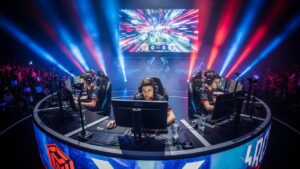
By the mid-2010s, eSports had grown into a global industry with millions of fans tuning in to watch professional gamers compete in tournaments for large cash prizes. Games like League of Legends, Dota 2, Counter-Strike: Global Offensive, and Overwatch became the cornerstone of eSports leagues, drawing in massive audiences both online and in person. The League of Legends World Championship, for example, attracted over 100 million viewers in 2019, placing it on par with major traditional sports events in terms of viewership.
The Financial Boom: Sponsorships, Prize Money, and Investments
As eSports grew in popularity, so did the financial stakes. One of the primary drivers of eSports’ economic growth has been sponsorships. Global brands across various industries, from technology and automotive to beverage and apparel companies, began to take notice of the growing influence of eSports. Sponsorships became a key revenue stream for teams and tournament organizers, with companies like Intel, Coca-Cola, Mercedes-Benz, and Nike signing multi-million-dollar deals to associate their brands with the eSports scene.
Prize money also began to increase dramatically. Tournaments like The International for Dota 2 saw prize pools surpassing $30 million, with individual players earning substantial sums from winnings. The rise of prize money in eSports helped to professionalize the industry further, as it became a viable career option for gamers. In 2019 alone, eSports players earned a collective $150 million in prize money.
Another significant factor in the financial growth of eSports has been investments from traditional sports organizations. Major leagues such as the National Basketball Association (NBA) and soccer clubs like Manchester City and Paris Saint-Germain have invested in eSports teams and leagues. This influx of capital has led to the professionalization of teams, including the establishment of training facilities, coaching staff, and other resources that help players reach their full potential.
The eSports industry has also witnessed an influx of venture capital investments, with start-ups and gaming companies capitalizing on the growing demand for competitive gaming experiences. The success of companies like Riot Games (the developer behind League of Legends) and Valve Corporation (the developer behind Dota 2) has paved the way for new game publishers to enter the competitive gaming scene. Furthermore, the rise of media rights deals, where tournament organizers sell the rights to broadcast events to platforms like Twitch and YouTube, has provided additional revenue streams for the industry.
The Role of Streaming and Social Media in eSports
One of the most significant factors contributing to the rise of eSports has been the role of live streaming and social media. Platforms like Twitch, YouTube Gaming, and Facebook Gaming have created a space where fans can watch live competitions and interact with their favorite players in real-time. Streaming has democratized the eSports ecosystem, allowing fans to engage with the sport in ways that were once not possible.
Streaming platforms have also given rise to a new breed of celebrity—professional gamers who build massive online followings through their gameplay and personalities. Players like Ninja (Tyler Blevins), Shroud (Michael Grzesiek), and Pokimane (Imane Anys) have become household names, amassing millions of followers on platforms like Twitch and YouTube. These streamers not only earn money through ad revenue and sponsorships but also become ambassadors for the games they play, helping to grow the eSports ecosystem further.
Social media platforms such as Twitter, Instagram, and Discord have also played a key role in building eSports communities. Fans can follow their favorite players, teams, and tournament organizers, staying up to date on news, schedules, and behind-the-scenes content. Social media enables fans to interact with players and fellow fans, fostering a sense of community and shared passion for eSports. This engagement has helped eSports build a loyal and passionate fan base, making it more than just a form of entertainment but also a cultural movement.
The Global Impact of eSports
eSports is truly a global phenomenon, with players, fans, and tournaments spanning every continent. While South Korea and North America are still major hubs for eSports, other regions such as China, Europe, and Southeast Asia have become growing centers of the competitive gaming scene. In China, for example, games like League of Legends and Honor of Kings have amassed millions of players, with major tournaments attracting tens of thousands of fans in person.
International tournaments, such as The International for Dota 2 and the League of Legends World Championship, bring together players from all over the world to compete for supremacy. These events are broadcast to millions of fans, with localized viewing options catering to audiences in different regions. eSports has broken down geographic and cultural barriers, uniting fans from all walks of life under the banner of competitive gaming.
Moreover, eSports has been a catalyst for social change in some regions. In countries like India and Brazil, where traditional sports dominate, eSports has provided new opportunities for young people to pursue their passion for gaming. In South Korea, eSports is not just a form of entertainment but a respected career path, with players receiving professional training and support from national organizations. The growing acceptance of eSports as a legitimate sport has also led to the inclusion of competitive gaming in prestigious events, such as the Asian Games, where it was featured as a demonstration sport in 2018.
The Challenges and Future of eSports
Despite its rapid growth, eSports faces a number of challenges. One of the primary concerns is the mental and physical health of players. The grueling schedules, long hours of practice, and constant pressure to perform can take a toll on players’ well-being. In recent years, there has been growing awareness of the need for mental health support and balanced lifestyles within the eSports community. Organizations are increasingly offering support services, including coaches, nutritionists, and psychologists, to help players manage the stress and strain of professional competition.
Another challenge is the sustainability of the eSports ecosystem. While sponsorships and prize money have fueled the industry’s growth, there are concerns about the long-term viability of these revenue streams. As the eSports market matures, it will be essential for organizers, players, and sponsors to find innovative ways to keep the industry profitable and sustainable.
Looking ahead, the future of eSports appears bright. With continued technological advancements in virtual reality (VR), augmented reality (AR), and cloud gaming, the gaming experience is set to become even more immersive and accessible. As eSports continues to grow in popularity, we can expect more international tournaments, larger prize pools, and an even broader fan base.



More Stories
Pixels to Podiums: The Rise of Esports as a Modern Sporting Power
Beyond the Screen: How Esports Is Redefining Competition, Culture, and Careers
Pixels to Glory: The Rise of Esports as a Global Sporting Powerhouse