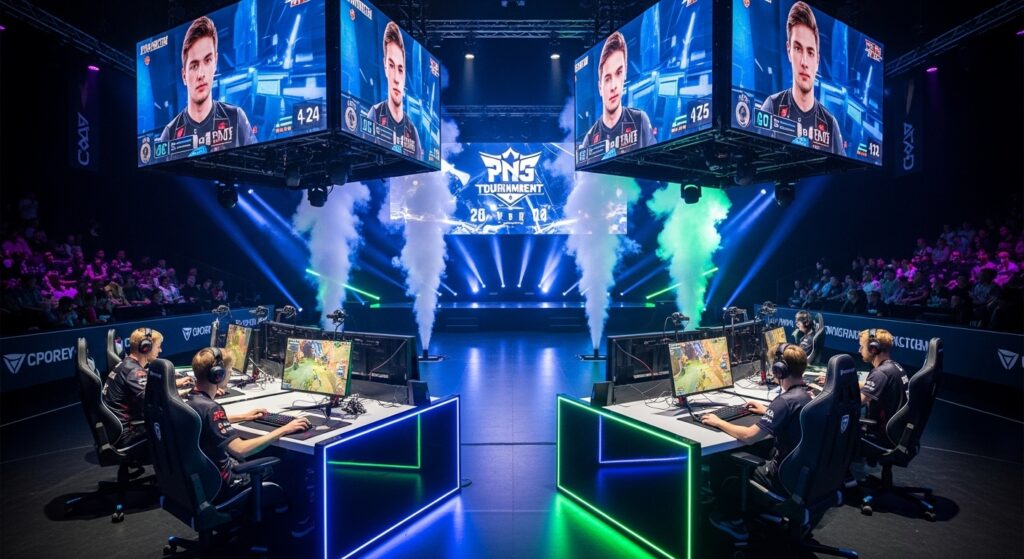
Esports, or competitive video gaming, has emerged as a cultural and economic phenomenon over the past two decades. What once started as casual gaming competitions among friends has now transformed into a global industry with millions of viewers, professional athletes, and multimillion-dollar tournaments. Esports is no longer just a pastime; it is a legitimate career path, a spectacle for fans, and a major driver in the evolution of digital entertainment.
Origins of Competitive Gaming
The roots of esports can be traced back to the 1970s and 1980s when arcade gaming gained popularity. Early competitions, such as the 1980 Space Invaders tournament held by Atari, demonstrated the appeal of gaming contests. These events were primarily local, often hosted in arcades or small community centers, but they laid the groundwork for future competitive gaming.
By the 1990s, with the rise of personal computers and local area networks, competitive gaming took a more structured form. Games like Doom, Quake, and StarCraft became staples of early esports competitions. These games emphasized skill, strategy, and teamwork, which are the core pillars of esports even today.
The Explosion of Online Gaming
The advent of the internet revolutionized esports. Online multiplayer games allowed players from different parts of the world to compete in real time. Titles such as Counter-Strike, World of Warcraft, and later League of Legends attracted massive communities and set the stage for large-scale tournaments. Online platforms and forums also fostered a sense of community and competition, making gaming a social experience beyond just individual play.
The accessibility of high-speed internet further democratized esports, allowing amateur players to compete and gain recognition. What used to be limited to local competitions could now span continents, with global leaderboards and online leagues making it possible to compare skills worldwide.
Professionalization of Esports
As esports grew in popularity, it attracted sponsorships, professional teams, and organized leagues. Professional players began to receive salaries, live-stream their gameplay, and compete in prestigious tournaments. Esports organizations, much like traditional sports teams, developed scouting systems, coaching staff, and training facilities to enhance player performance.
Games such as Dota 2, League of Legends, Counter-Strike: Global Offensive, and Overwatch became the backbone of professional esports leagues. Tournaments like The International, League of Legends World Championship, and ESL One offered prize pools reaching millions of dollars, highlighting the industry’s economic potential. These events not only provided financial incentives but also elevated the status of esports athletes to that of professional sports stars.
Esports Culture and Community
Esports culture is diverse and inclusive, encompassing players, fans, content creators, and commentators. Online streaming platforms like Twitch and YouTube Gaming allow fans to follow their favorite players and teams in real-time, creating a global community around shared interests. This culture thrives on collaboration, competition, and constant innovation.
Fan engagement is another critical aspect of esports. Communities often organize fan events, watch parties, and discussion forums, contributing to a vibrant ecosystem around games. Cosplay, merchandise, and fan art further enhance the culture, making esports a multidimensional experience that extends beyond gameplay.
Economic Impact and Industry Growth
The economic footprint of esports is massive and continues to grow. Revenue streams include sponsorships, advertising, ticket sales, merchandising, and media rights. Major brands from various industries, from energy drinks to technology companies, have invested heavily in esports, recognizing its influence over younger demographics.
Esports has also created employment opportunities beyond players. Commentators, analysts, event organizers, marketing professionals, and content creators all contribute to the industry. Training programs and educational institutions have begun offering courses in esports management, coaching, and game design, signaling a maturation of the ecosystem.
Global Reach of Esports
Esports is truly a global phenomenon, with significant markets in North America, Europe, and Asia. South Korea, in particular, is considered the birthplace of modern esports, with highly organized leagues and a culture that celebrates competitive gaming. China, with its vast player base, has emerged as a powerhouse in terms of investment and viewership.
International tournaments attract millions of viewers across different platforms, sometimes rivaling traditional sports in audience size. This global appeal has facilitated cross-cultural exchange and collaboration, uniting fans and players from diverse backgrounds through shared experiences.
Challenges in the Esports Industry
Despite its rapid growth, esports faces challenges that must be addressed for sustainable development. Player burnout is a significant concern, as the intense practice schedules and competitive pressure can affect mental and physical health. Maintaining fair play and combating cheating is another ongoing issue, especially with the rise of online competitions.
Additionally, the industry faces regulatory challenges. Different countries have varying policies on gaming, sponsorship, and professional sports, which can complicate the organization of international events. Addressing these issues requires a balance between growth, ethical standards, and player welfare.
The Role of Technology in Esports
Technology is the backbone of esports, influencing everything from game development to live streaming. Advances in graphics, processing power, and internet connectivity have enabled more immersive gaming experiences. Augmented reality, virtual reality, and artificial intelligence are beginning to shape the future of competitive gaming, offering new ways for players and audiences to engage.
Streaming technology has also transformed the way fans consume content. High-definition broadcasts, live commentary, and interactive features allow viewers to participate in events in real-time. This integration of technology has made esports not only a competitive activity but also a form of entertainment comparable to traditional sports broadcasting.
Future Trends in Esports
The future of esports looks promising, with continuous growth in audience size, investment, and professionalization. Mobile gaming is emerging as a significant sector, especially in regions where mobile devices are more accessible than PCs or consoles. Games like PUBG Mobile and Free Fire have cultivated massive esports communities, proving that competitive gaming can thrive on any platform.
Moreover, esports is likely to intersect with mainstream entertainment, including music, movies, and virtual reality experiences. Collaborations between gaming companies and other entertainment industries can create hybrid experiences, blurring the lines between gaming and other forms of media. Educational and training applications of esports may also grow, as strategy-based games can enhance problem-solving and teamwork skills.
Esports as a Career Path
Esports offers numerous career opportunities beyond playing professionally. Coaches, analysts, commentators, event organizers, and content creators are just a few of the roles in this expansive industry. Many educational institutions now offer scholarships and training programs to prepare students for careers in esports, reflecting its legitimacy as a professional field.
The rise of esports also demonstrates the changing nature of work and entertainment. In a world where digital skills are increasingly valuable, esports exemplifies how passion, skill, and technology can converge to create meaningful and lucrative careers.
Conclusion: The Enduring Appeal of Esports
Esports has transformed from a niche hobby into a global industry with cultural, economic, and technological significance. Its growth reflects broader trends in digital entertainment, community building, and technological innovation. As esports continues to evolve, it will likely redefine competitive entertainment, create new career opportunities, and inspire future generations of players and fans.
What makes esports truly unique is its ability to connect people worldwide through shared passion, skill, and competition. From local arcade tournaments to massive international championships, esports continues to break barriers, proving that competitive gaming is more than just a pastime—it is a powerful, enduring phenomenon shaping the future of entertainment and sports.




More Stories
Pixels to Podiums: The Rise of Esports as a Modern Sporting Power
Beyond the Screen: How Esports Is Redefining Competition, Culture, and Careers
Pixels to Glory: The Rise of Esports as a Global Sporting Powerhouse