Introduction
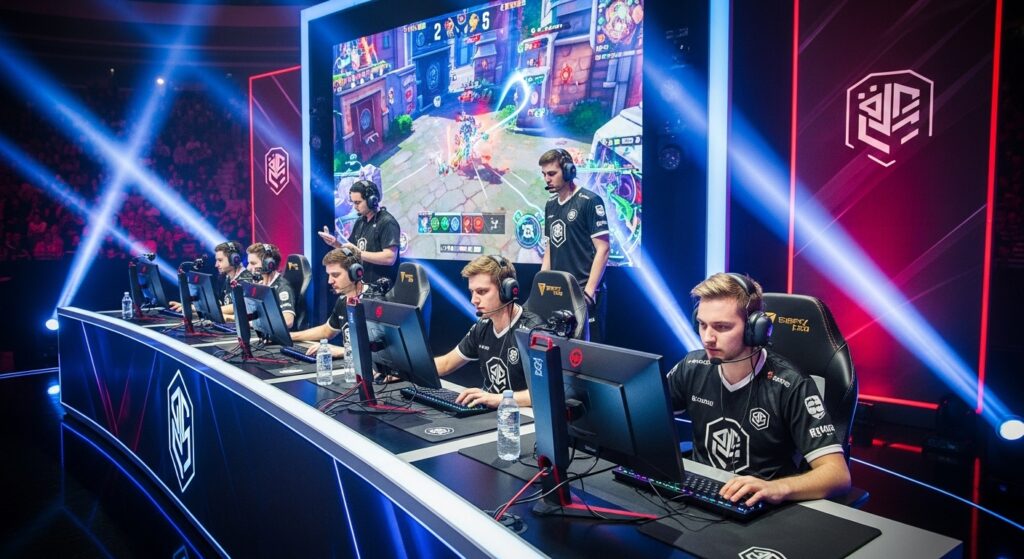
Esports, or electronic sports, has rapidly transformed from a niche pastime into a global phenomenon. Once considered a hobby limited to computer enthusiasts, it has now emerged as a competitive, professional, and highly lucrative industry. With organized leagues, international tournaments, and millions of dedicated fans, esports is no longer just a form of entertainment—it is a cultural and economic force shaping the future of digital competition.
The rise of esports is deeply intertwined with advances in technology, the internet, and digital streaming platforms. It provides not only a platform for competition but also career opportunities, community building, and cultural influence. Understanding esports requires examining its evolution, professionalization, global reach, and the impact it has on modern society.
The Origins of Competitive Gaming
The origins of esports can be traced back to the late 20th century when competitive gaming tournaments began emerging in arcades and early personal computers. The first notable event, the 1980 Space Invaders Championship, attracted thousands of participants and highlighted the potential of gaming as a competitive endeavor.
In the 1990s, multiplayer games such as Quake, StarCraft, and Counter-Strike popularized online competition. These games emphasized skill, strategy, and teamwork, laying the foundation for modern esports. The increasing accessibility of the internet allowed players from different regions to compete virtually, creating a global community and establishing esports as a form of serious competition.
The Role of Streaming Platforms
The growth of streaming platforms has been a major factor in esports’ popularity. Services such as Twitch and YouTube Gaming allowed gamers to broadcast live matches, tutorials, and commentary to audiences around the world. This accessibility transformed esports from a local activity into a global spectacle.
Streaming platforms also enabled players to monetize their skills. Through subscriptions, donations, sponsorships, and ad revenue, professional gamers could pursue esports as a full-time career. This model democratized access, allowing talented individuals to gain recognition regardless of geographic location or background.
Popular Esports Titles and Genres
Esports encompasses a variety of game genres, each with its unique competitive structure. Multiplayer online battle arena games, such as League of Legends and Dota 2, emphasize teamwork, strategic planning, and real-time decision-making. First-person shooters, including Counter-Strike: Global Offensive, Valorant, and Call of Duty, focus on precision, reflexes, and tactical coordination.
Other genres, such as fighting games, real-time strategy games, and sports simulations, have also developed competitive circuits. Each game cultivates its own community, fan culture, and professional ecosystem. This diversity allows esports to appeal to a wide range of audiences and fosters multiple avenues for professional engagement.
Professionalization of Esports
Esports has evolved into a highly professionalized industry. Top-tier teams now operate like traditional sports franchises, with coaches, analysts, psychologists, and medical staff supporting players. Athletes sign contracts, receive salaries, and follow structured training schedules to optimize performance.
Major tournaments offer prize pools reaching millions of dollars, attracting global attention. Events such as The International for Dota 2 and the League of Legends World Championship are broadcast live, with commentary, analysis, and entertainment elements that enhance viewer engagement. Corporate sponsorships, merchandise, and live events contribute to the growing economic significance of esports.
Global Reach and Cultural Impact
Esports has achieved remarkable global reach. In Asia, particularly South Korea and China, esports is a mainstream cultural phenomenon, complete with professional leagues, dedicated arenas, and government support. In North America and Europe, esports has gained widespread recognition, with teams and tournaments rivaling traditional sports in popularity.
The global nature of esports fosters cross-cultural interaction. Players from different countries compete and collaborate, while international fan bases create communities united by shared passion. Esports is not merely a game; it is a platform for global connectivity and cultural exchange.
Career Opportunities in Esports
The growth of esports has created diverse career opportunities beyond competitive play. Professional roles include coaching, team management, event organization, and content production. Marketing, video editing, analytics, and social media management also play crucial roles in supporting the esports ecosystem.
Content creation is another major aspect of esports careers. Streamers and influencers produce live broadcasts, tutorials, and lifestyle content, building personal brands and engaging fans. Esports journalism, commentary, and analysis are growing fields that provide career paths for individuals interested in media and reporting.
Esports and Traditional Sports Integration
Traditional sports organizations are increasingly embracing esports. Professional football, basketball, and other sports clubs have launched esports divisions to expand their brand and reach younger audiences. Leagues such as the NBA 2K League and FIFA eWorld Cup combine traditional sports branding with digital competition, attracting fans from multiple sectors.
This collaboration strengthens the legitimacy of esports, positioning it as a recognized form of professional competition. It also demonstrates the potential for cross-industry innovation, merging digital and physical sports entertainment into a cohesive experience.
Challenges Facing the Industry
Despite its rapid growth, esports faces several challenges. Player burnout and mental health concerns are significant due to long practice hours, high-pressure environments, and travel demands. Physical health issues, such as eye strain, repetitive stress injuries, and poor posture, also need attention.
The industry must also address inclusivity and representation. Professional esports remains male-dominated, with limited visibility for female players and underrepresented groups. Ensuring competitive integrity and fair play, preventing cheating, and maintaining regulatory standards are additional challenges for sustainable growth.
The Role of Technology in Esports
Technology is at the heart of esports. High-speed internet, advanced graphics, and powerful hardware enable competitive gaming at the highest levels. Streaming technology allows global audiences to experience live tournaments with minimal delay, while analytics tools provide insights into player performance and strategy.
Emerging technologies such as virtual reality and augmented reality are poised to redefine esports in the coming years. These innovations will create immersive gaming experiences, blurring the lines between players, spectators, and digital environments. Technology ensures that esports continues to evolve and adapt, enhancing both competition and engagement.
Esports as a Cultural Phenomenon
Esports has evolved beyond competition into a cultural movement. It influences fashion, music, entertainment, and social interaction. Merchandise, fan conventions, and online communities foster a sense of identity and belonging among players and fans.
Esports also encourages skill development and creativity. Strategic thinking, teamwork, reflexes, and problem-solving are honed through gameplay, while content creation promotes communication, storytelling, and technical skills. The cultural impact of esports extends to lifestyle, social interaction, and global connectivity, demonstrating its significance beyond gaming alone.
The Future of Esports
The future of esports is poised for exponential growth. Virtual and augmented reality will create new forms of immersive competition. Artificial intelligence will enhance strategy, performance analysis, and coaching. Education and infrastructure development, including esports programs in schools and universities, will cultivate new talent.
Esports is also likely to expand into new regions, creating global opportunities for players, organizers, and investors. With technological innovation, professionalization, and growing mainstream acceptance, esports is positioned to remain a dominant force in digital entertainment for decades to come.
Conclusion
Esports has come a long way from its origins in arcades and early online games. It has grown into a global industry with professional teams, dedicated leagues, and millions of fans. It has created careers, fostered communities, and influenced culture in ways previously unimaginable.
As technology continues to advance, esports will evolve further, offering immersive experiences, career opportunities, and global connectivity. It is more than a game; it is a cultural movement, an economic force, and a symbol of the digital era. The rise of esports illustrates the transformative power of competition, technology, and human creativity, proving that in the digital age, gaming has become a legitimate sport and a defining feature of modern entertainment.




More Stories
Pixels to Podiums: The Rise of Esports as a Modern Sporting Power
Beyond the Screen: How Esports Is Redefining Competition, Culture, and Careers
Pixels to Glory: The Rise of Esports as a Global Sporting Powerhouse