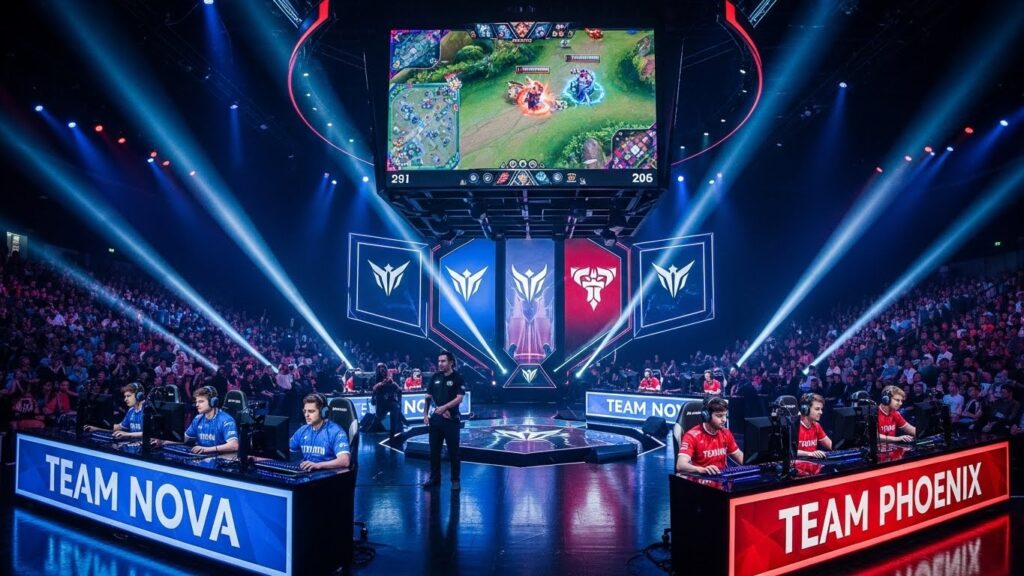
Esports has transformed the landscape of modern entertainment. What began as a niche hobby has now become a billion-dollar global phenomenon, blending technology, competition, and culture. Today, millions of fans worldwide tune in to watch tournaments, follow professional teams, and engage in virtual communities. Esports has redefined the concept of sports, offering players and audiences alike a unique digital arena where skill, strategy, and teamwork dominate. This blog post explores the rise of esports, its impact on society, the technological advancements fueling it, and what the future holds for competitive gaming.
The Origins of Esports
The roots of esports stretch back several decades. In the early 1970s and 1980s, competitive gaming began with small-scale tournaments held on arcade machines and early home computers. Games like Pong and Space Invaders were often at the center of these contests, attracting college students and gaming enthusiasts who competed for high scores. These events were informal but sparked the idea that gaming could evolve into a structured competitive activity.
The 1990s saw the rise of more sophisticated multiplayer games, which allowed players to compete online. Titles like Street Fighter, StarCraft, and Quake introduced competitive leagues and tournaments, attracting growing audiences. These early competitions laid the foundation for the professional esports industry we know today, proving that gaming could go beyond casual play and reach a level of serious competition.
The Growth of Modern Esports
The 2000s marked a turning point for esports. Broadband internet, powerful gaming PCs, and online platforms enabled gamers to connect globally. Multiplayer games like Counter-Strike, League of Legends, and Dota 2 created vibrant competitive scenes, complete with organized leagues, sponsorships, and fan followings. As a result, esports transitioned from a hobby to a legitimate career path for skilled players.
Professional esports organizations began forming, offering salaries, training programs, and infrastructure similar to traditional sports teams. Tournaments began to fill arenas with thousands of spectators, while millions more watched online streams. Streaming platforms played a pivotal role in this growth, allowing fans worldwide to follow live matches, interact with players, and engage in the esports community.
Popular Esports Genres
Esports encompasses a variety of gaming genres, each with distinct competitive dynamics.
Multiplayer Online Battle Arenas (MOBAs): MOBAs such as League of Legends and Dota 2 require teamwork, strategy, and precise execution. Players select unique characters with specialized abilities and work in coordinated teams to achieve objectives. Success relies on communication, planning, and adaptability.
First-Person Shooters (FPS): FPS games like Counter-Strike: Global Offensive and Call of Duty focus on reflexes, accuracy, and strategy. Players must coordinate in real-time, anticipating opponents’ moves and responding quickly under pressure.
Battle Royale Games: Popularized by titles such as Fortnite and PUBG, battle royale games pit dozens or hundreds of players against each other until one remains. Survival, resource management, and tactical thinking are key components of success.
Fighting Games: Games like Street Fighter and Tekken highlight individual skill and timing. Players face off in intense one-on-one battles, mastering character abilities and strategies.
Sports Simulations: Digital versions of real-world sports, including FIFA and NBA 2K, attract players who enjoy recreating or strategizing around traditional sports. These games combine realism with competitive challenges, engaging both casual and professional audiences.
The Professional Esports Experience
Professional esports players dedicate immense time and effort to mastering their craft. Training regimens often include eight to twelve hours of daily practice, focusing on mechanics, strategies, team coordination, and reviewing past performances. Unlike casual gamers, professionals treat esports as a full-time career, honing skills to maintain peak performance.
Esports teams employ coaches, analysts, and psychologists to ensure players remain competitive and mentally resilient. Nutrition, exercise, and mental conditioning are also integral, reflecting the parallels between esports athletes and traditional sports players. The dedication required underscores the intensity and professionalism of the modern esports scene.
The Fan Community and Social Engagement
A defining feature of esports is its passionate and global fan community. Fans engage with players, teams, and tournaments through streaming platforms, social media, and forums. Live matches generate excitement, while fan discussions, analyses, and reactions create an interactive community that thrives online and offline.
Esports also emphasizes inclusivity and accessibility. Unlike traditional sports that require physical venues, esports allows players and fans to participate and engage regardless of geographic location. This global reach has contributed to the rapid growth of esports fandom and the diversity of its audience.
Economic Impact of Esports
The economic impact of esports is staggering. The industry generates billions of dollars annually through sponsorships, tournament prize pools, advertising, merchandise, and streaming revenue. Technology companies, gaming hardware manufacturers, and mainstream brands invest heavily in esports due to its extensive reach and audience engagement.
Game developers benefit from esports as well. Competitive scenes increase a game’s longevity and visibility, attracting more players and driving in-game purchases. The ecosystem surrounding esports—from event production to content creation—supports a wide range of careers, demonstrating the industry’s multifaceted economic influence.
Technology Driving Esports
Technology is central to the esports phenomenon. High-speed internet, advanced gaming hardware, and sophisticated software enable competitive play and streaming on a global scale. Real-time data analytics help teams refine strategies, track performance, and improve decision-making.
Virtual reality and augmented reality present new opportunities for immersive esports experiences. In addition, artificial intelligence is increasingly used to create smarter training tools, analyze gameplay, and offer personalized content to viewers. Technology ensures that esports continues to innovate, making it more engaging, accessible, and competitive.
Education and Esports
Esports is now making inroads into education. Schools and universities offer esports programs, clubs, and scholarships, recognizing the skills it fosters, including teamwork, critical thinking, communication, and leadership. Students can pursue competitive gaming while developing knowledge in fields like game design, event management, broadcasting, and digital marketing.
Esports education not only prepares students for careers in gaming but also for broader opportunities in technology, media, and entertainment industries. Integrating esports into education highlights its legitimacy and cultural significance as a professional and academic pursuit.
Cultural Significance of Esports
Esports has become a defining feature of modern culture. It influences fashion, music, media, and social trends, while players often achieve celebrity-like status within their communities. The industry also challenges traditional notions of sports, proving that competition, skill, and entertainment can thrive in digital spaces.
Esports promotes global connection. Fans from different countries engage in shared experiences, celebrate victories, and appreciate cultural diversity. It creates a space where collaboration and competition coexist, encouraging social interaction, creativity, and inclusivity.
Challenges Facing Esports
Despite its success, esports faces challenges. Player burnout, short career spans, and intense competition can affect mental health and sustainability. Issues such as fair play, cheating, regulation, and monetization require ongoing attention to ensure a safe and ethical environment.
Additionally, inclusivity and diversity remain areas for improvement. While progress has been made, the industry must continue efforts to provide equal opportunities and a welcoming culture for all participants, regardless of gender, nationality, or background.
The Future of Esports
The future of esports is promising. Advancements in technology will make competitions more immersive and interactive, while streaming platforms will continue to expand audiences. Virtual and augmented reality could revolutionize the spectator experience, while AI and analytics enhance training and gameplay.
Esports is also expected to grow in mainstream recognition. More countries are recognizing it as an official sport, and opportunities for youth development, professional careers, and global tournaments continue to increase. As esports evolves, it will redefine entertainment, competition, and community engagement on a global scale.
Conclusion
Esports has emerged as a powerful and influential force in the digital era. From humble beginnings in arcades and college competitions to stadium-filling tournaments with millions of viewers, esports has grown into a legitimate professional industry. It combines competition, strategy, teamwork, and entertainment into a unique experience that captivates audiences worldwide.
With technological innovation, a passionate fan base, and professional infrastructure, esports continues to evolve and shape modern culture. Whether as a player, fan, or professional, participating in the esports ecosystem offers opportunities for skill development, social connection, and immersive entertainment. The digital arena is here to stay, and its influence on the future of competition and culture is only set to grow.




More Stories
Pixels to Podiums: The Rise of Esports as a Modern Sporting Power
Beyond the Screen: How Esports Is Redefining Competition, Culture, and Careers
Pixels to Glory: The Rise of Esports as a Global Sporting Powerhouse