What is Esports?
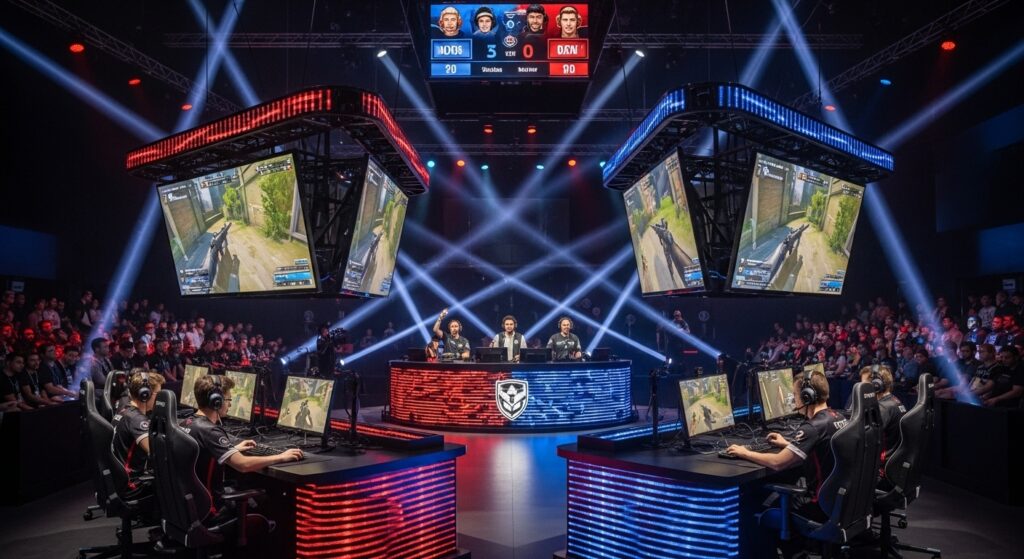
Esports, or electronic sports, has taken the gaming world by storm, transforming from a niche hobby into a globally recognized and highly lucrative industry. Esports refers to organized, multiplayer video game competitions, especially between professional players, individually or as teams. Unlike casual gaming, esports involves professional-level skill, strategy, and teamwork, with players competing in everything from first-person shooters to real-time strategy games.
A Brief History of Esports
Esports has its roots in the 1970s and 1980s, with early competitions emerging for arcade games like Space Invaders and Pong. However, the true evolution began in the late 1990s and early 2000s when games such as StarCraft, Quake, and Counter-Strike offered platforms for competitive play. As internet speed and accessibility grew, so did the potential for large-scale tournaments. By the time League of Legends and Dota 2 entered the scene, esports had firmly cemented itself as a mainstream entertainment spectacle.
The Professional Player’s Journey
For professional esports players, gaming is a full-time job that requires dedication and intense focus. Training sessions often last for hours, with players honing their skills, strategies, and teamwork. Much like traditional athletes, esports players need to maintain peak mental and physical health to compete at the highest level. Top-tier players often belong to esports organizations, earning salaries, endorsements, and participating in tournaments with prize pools that can range from thousands to millions of dollars.
Esports as a Global Business
The esports industry has grown exponentially in recent years, with revenue now coming from various sources, including sponsorships, advertising, ticket sales, media rights, and merchandise. Major tournaments, such as The International for Dota 2 or the League of Legends World Championship, have garnered viewership numbers that rival traditional sports events like the Super Bowl or the FIFA World Cup. The financial impact of esports is undeniable, with major brands like Coca-Cola, Intel, and Red Bull investing heavily in the scene.
The Role of Fans and Community
One of the key factors in the success of esports is the vibrant and dedicated fan base that supports teams, players, and events. Fans flock to live tournaments, both in-person and through online streaming platforms like Twitch and YouTube. These platforms have revolutionized how fans consume esports content, offering live broadcasts, commentary, and exclusive behind-the-scenes footage. Esports fans are as passionate as those in traditional sports, often following players or teams through thick and thin, sharing in their victories and losses.
The Rise of Esports in Education
Esports is no longer just about playing games—it’s become an educational tool and career path for many young people. Numerous universities and colleges now offer esports scholarships, and some even have varsity esports teams. The skills required to succeed in esports—critical thinking, communication, leadership, and teamwork—are highly transferable to other fields, making esports a valuable learning experience. Moreover, many schools are beginning to offer courses and degrees related to game design, production, and broadcasting, further solidifying esports as a legitimate career path.
Challenges in the Esports World
Despite its rapid growth, esports is not without challenges. Issues like burnout, physical and mental health concerns, and toxic behavior within gaming communities remain prevalent. The intense competition and long hours of practice can take a toll on players’ well-being, leading to an increase in pressure and stress. Additionally, as the industry continues to expand, the need for fair play, regulation, and player protection is becoming more critical. Esports organizations and governing bodies are beginning to address these concerns by implementing wellness programs and establishing ethical standards for competition.
The Future of Esports
The future of esports appears bright, with new opportunities on the horizon. Technological advancements in virtual reality (VR), augmented reality (AR), and artificial intelligence (AI) are set to revolutionize how games are played and experienced. Esports is also expected to continue its integration into mainstream media, with more traditional sports organizations, television networks, and streaming platforms investing in competitive gaming content.
As esports evolves, the potential for new game genres, more diverse audiences, and greater financial rewards continues to grow. With such rapid advancements, esports could one day be as universally recognized and celebrated as traditional sports like football or basketball.
Conclusion: Esports is Here to Stay
Esports has moved from the fringes of the gaming world to the center stage of global entertainment. It has become more than just a form of competition—it’s a cultural phenomenon that attracts millions of fans, players, and viewers from all corners of the world. As technology advances and the industry continues to mature, esports will undoubtedly remain a central force in shaping the future of gaming, entertainment, and even education. The rise of esports proves that gaming isn’t just a pastime; it’s a sport, a business, and a way of life for many.




More Stories
Pixels to Podiums: The Rise of Esports as a Modern Sporting Power
Beyond the Screen: How Esports Is Redefining Competition, Culture, and Careers
Pixels to Glory: The Rise of Esports as a Global Sporting Powerhouse