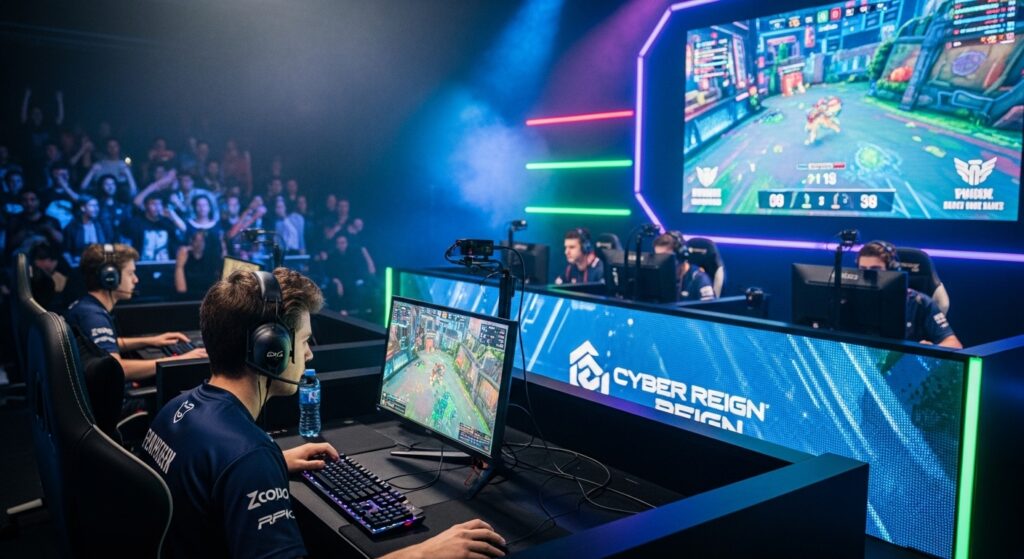
Esports, once a niche hobby, has evolved into a global phenomenon. From humble beginnings in basements and local arcades, competitive gaming has risen to become a multi-billion-dollar industry, attracting millions of fans worldwide. Esports has transformed how we view gaming, turning it from a solitary activity into a professional sport that garners attention comparable to traditional sports. This blog post will explore the world of esports, examining its rapid growth, its cultural impact, and what the future holds for this exciting industry.
The Explosive Growth of Esports
Over the past decade, esports has experienced an unprecedented rise in popularity. What started as small-scale competitions has now blossomed into an industry with millions of viewers, professional players, and massive sponsorships. Today, esports tournaments such as The International (Dota 2) and League of Legends World Championship draw audiences in the millions, and prize pools reach tens of millions of dollars.
Several factors contribute to this rapid growth. First, the rise of streaming platforms like Twitch and YouTube has allowed esports to reach a broader audience. Fans can watch their favorite players compete live, interact with communities, and even become part of the action by supporting their teams. Secondly, the increased accessibility of high-speed internet and the growing popularity of multiplayer online games have created an ecosystem where players from all over the world can compete on equal footing. As a result, esports has gone from a niche interest to a mainstream entertainment option enjoyed by people of all ages.
The Esports Ecosystem: Players, Teams, and Tournaments
At the heart of esports is its competitive ecosystem, which consists of players, teams, and tournaments. Professional players are the stars of the industry, often achieving celebrity status among fans. Many esports athletes undergo rigorous training, just like traditional athletes, spending hours each day honing their skills, analyzing gameplay, and preparing strategies. These players compete in various games, from first-person shooters like Counter-Strike: Global Offensive to strategy games like StarCraft II, and battle arenas such as League of Legends.
Teams are an essential component of esports, often sponsored by major corporations and organizations. These teams recruit top-tier players to compete in tournaments, train together, and build strategies that lead to success in competitions. In addition to player skill, teamwork and communication play a significant role in the success of these teams. Just like in traditional sports, synergy among teammates is crucial for winning.
Esports tournaments are where the magic happens. Major events such as The International (Dota 2), ESL One, and Overwatch League draw massive crowds, both in-person and online. These events are often broadcast live, attracting millions of viewers worldwide. The excitement of watching top-tier teams compete for massive prize pools has made esports a thrilling spectator sport, where the drama unfolds in real-time.
The Culture of Esports: Communities and Fanbases
One of the most fascinating aspects of esports is the strong sense of community it fosters. Fans of esports teams and players often develop passionate, dedicated followings, much like fans of traditional sports teams. These communities create an inclusive environment where individuals can come together to share their love of gaming, engage in discussions, and participate in events.
Streaming platforms like Twitch have been instrumental in creating these communities. Gamers can watch live broadcasts of their favorite players, engage in chat discussions, and even participate in fan-driven events like giveaways, charity streams, and community challenges. The interaction between players and fans has created an ecosystem where fans don’t just passively watch—they actively participate in the narrative of esports. Esports athletes, in turn, often engage with their fans on social media, creating a personal connection that goes beyond the competition.
Esports also transcends the digital world. Many major cities around the world now host esports arenas and events, where fans can gather to watch live competitions. These arenas are designed to give fans an immersive experience, with state-of-the-art technology, large screens, and live commentary. The sense of excitement is palpable, and the atmosphere often rivals that of traditional sporting events.
The Economics of Esports: Sponsorships, Merchandising, and Media Rights
Esports has become a multi-billion-dollar industry, with revenue coming from a variety of sources. Sponsorships from major brands are one of the biggest drivers of income for esports teams and tournaments. Companies like Intel, Red Bull, Coca-Cola, and Mercedes-Benz have all invested heavily in esports, recognizing the large and engaged audience that the industry attracts. These sponsorships help fund tournaments, team salaries, and player expenses, while also increasing the visibility of brands in the growing esports market.
Merchandising is another significant revenue stream. Esports teams and organizations have extensive merchandise lines, including jerseys, hoodies, hats, and accessories. Fans eagerly purchase these items to support their favorite teams, creating a thriving secondary market for esports-related products.
Media rights also contribute to the financial success of esports. Major tournaments are broadcast on platforms like Twitch, YouTube, and even traditional TV networks. With millions of people tuning in, the rights to broadcast esports events have become highly valuable. The growing demand for esports content has led to partnerships with major media outlets, ensuring that esports will continue to grow in visibility and reach.
Esports and Education: A New Path for Future Talent
Esports is not just about professional gaming; it has also opened up new pathways for education. Many universities around the world now offer esports scholarships, recognizing that competitive gaming can develop skills such as teamwork, strategic thinking, and leadership. Esports programs are also being incorporated into academic curricula, with schools offering degrees in game design, esports management, and other related fields.
In addition to scholarship opportunities, esports can provide a career path for players and coaches, but also for analysts, event organizers, broadcasters, and content creators. This growing diversity of roles within the esports ecosystem highlights the industry’s broad appeal and potential for talent development across many different areas.
The Future of Esports: Growth and Challenges Ahead
Esports is still in its early stages, but its trajectory is undeniable. As technology continues to evolve, so too will the experience of competitive gaming. Virtual reality (VR) and augmented reality (AR) could introduce entirely new ways of experiencing esports, blurring the lines between digital and physical sports.
However, esports faces its own set of challenges. While the industry is growing rapidly, it must address issues such as player health (both physical and mental), the lack of regulation in some areas, and concerns about the long-term sustainability of certain competitive games. As esports matures, creating a fair and transparent ecosystem will be critical to ensuring its continued success.
The question of mainstream acceptance is also one to consider. While esports has exploded in popularity, it is still often viewed by some as a niche hobby. For esports to truly reach the heights of traditional sports, it will need to continue breaking down barriers and challenging preconceptions about gaming as a professional sport.
Conclusion: Esports – The Future of Entertainment
Esports has quickly become a major player in the entertainment industry, with its global reach, passionate communities, and financial success. From professional leagues to casual streamers, the world of esports offers something for everyone. As technology evolves and the industry matures, esports is set to become an even more integral part of global culture.
With its unique combination of skill, strategy, and entertainment, esports is much more than just a game—it’s a new form of sport that brings people together in ways traditional sports can’t. As it continues to grow, there’s no telling just how far the esports revolution will go. One thing is certain: it’s here to stay.




More Stories
Pixels to Podiums: The Rise of Esports as a Modern Sporting Power
Beyond the Screen: How Esports Is Redefining Competition, Culture, and Careers
Pixels to Glory: The Rise of Esports as a Global Sporting Powerhouse