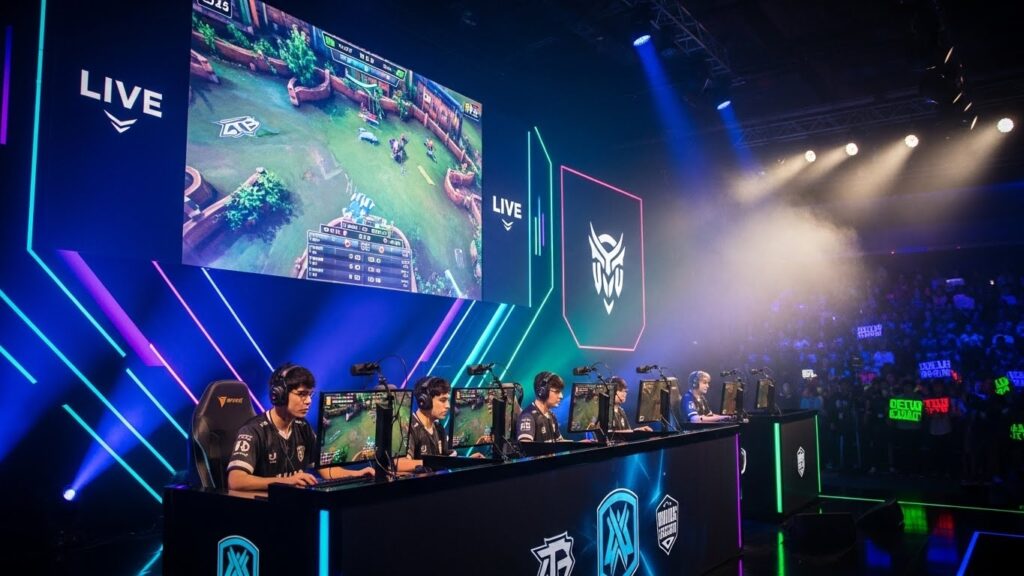
In the past few decades, esports has evolved from a niche hobby enjoyed by a small community of gamers to a global phenomenon attracting millions of viewers and offering lucrative career opportunities. Once seen as a mere pastime for tech enthusiasts and gamers, esports now commands attention from mainstream media, investors, and even professional sports organizations. The rise of esports has fundamentally changed the landscape of competitive gaming, and it’s shaping the future of entertainment as we know it.
Esports is a multi-billion-dollar industry that spans various genres, from real-time strategy games to first-person shooters, sports simulations, and multiplayer online battle arenas (MOBAs). Esports athletes compete for fame, fortune, and global recognition, with major tournaments often drawing crowds larger than some traditional sports events. In this blog post, we will explore the fascinating world of esports, its growth, its key players, and the future of this rapidly expanding industry.
The Origins of Esports
Esports, or electronic sports, refers to organized multiplayer video game competitions, particularly between professional players, individually or as teams. The roots of esports can be traced back to the early days of competitive gaming, but it wasn’t until the late 1990s and early 2000s that esports began to gain momentum.
The first major milestones in esports history include competitions such as the “Red Annihilation” tournament in 1997, which featured the popular first-person shooter Quake. The tournament was streamed over the internet, making it one of the earliest examples of competitive gaming reaching a global audience. Another significant event was the creation of the World Cyber Games in 2000, which became one of the first major international esports tournaments, featuring games like StarCraft and Warcraft III.
However, the true birth of modern esports can be attributed to the growth of real-time strategy (RTS) games and MOBAs. Titles like StarCraft and Dota introduced strategic depth and team-based gameplay, fostering competitive environments that would lead to the creation of large-scale leagues and tournaments.
The Growth of Esports: Turning Passion Into Profession
As internet access and gaming technology improved, so did the scope of esports. The 2000s marked a period of tremendous growth for esports, particularly in South Korea. The country became a hub for competitive gaming, largely due to the success of StarCraft, which was not only a popular game but also a national pastime. Professional StarCraft players became celebrities in South Korea, with tournaments broadcasted on television and streamed online. These early years established the foundation for esports’ rapid global expansion.
In the early 2010s, esports began to break into the mainstream. The rise of digital platforms like Twitch, YouTube, and social media gave gamers and teams a place to connect with fans, broadcast their gameplay, and build communities. This period also saw the launch of significant tournaments like League of Legends World Championship, The International (Dota 2), and Overwatch League, which introduced massive prize pools and drew in millions of viewers from around the globe.
Streaming platforms became instrumental in shaping the esports scene. Twitch, in particular, revolutionized the way gamers could engage with their audience, offering live broadcasts of tournaments, individual streams, and interactions between players and fans. These platforms also provided new ways for gamers to monetize their passion through ads, sponsorships, donations, and subscriptions. As a result, players could now support themselves professionally by pursuing a career in esports.
Key Esports Titles and Genres
Esports spans a wide array of genres, each with its own competitive scene and dedicated fan base. Here’s a breakdown of some of the most popular esports titles and their respective genres:
Multiplayer Online Battle Arenas (MOBAs)
MOBAs have become one of the most dominant genres in esports, with games like League of Legends, Dota 2, and Smite leading the way. These games involve teams of players competing in strategy-based battles to destroy the opposing team’s base. The complexity of these games, combined with the need for teamwork and individual skill, has made them a staple in the competitive gaming scene.
League of Legends is perhaps the most well-known of these titles, with its World Championship consistently attracting millions of viewers each year. Dota 2 also boasts massive prize pools, particularly with The International tournament, which has set records for the largest esports prize pool in history.
First-Person Shooters (FPS)
First-person shooters have been a cornerstone of competitive gaming since the early days of esports. Games like Counter-Strike, Call of Duty, Overwatch, and Valorant have long been favorites for esports tournaments, thanks to their fast-paced action, tactical depth, and individual skill requirements.
Counter-Strike has been one of the most successful esports titles of all time, with Counter-Strike: Global Offensive (CS:GO) being played in numerous high-profile tournaments worldwide. Overwatch introduced a unique blend of team-based strategy and hero-specific abilities, while Valorant, developed by Riot Games, has quickly become a leading title in the FPS esports scene.
Battle Royale
The battle royale genre has exploded in popularity in recent years, with games like Fortnite, PUBG, and Apex Legends leading the charge. In these games, players fight to be the last one standing, often in a shrinking play area, making for intense and unpredictable matches.
Fortnite revolutionized the esports landscape with its crossover appeal, engaging both casual players and professional esports athletes. While the game’s fast pace and building mechanics make it unique, its frequent in-game events and collaborations with mainstream pop culture have expanded its audience beyond traditional gamers.
Sports Simulations
While sports like football, basketball, and soccer have long had a presence in traditional sports, esports has adopted sports simulation games as well. Titles like FIFA, NBA 2K, and Rocket League offer virtual versions of real-world sports, allowing players to compete in a digital arena.
FIFA esports, in particular, has flourished over the years, with international tournaments like the FIFA eWorld Cup attracting large audiences. Rocket League, a unique hybrid of soccer and cars, has carved out its niche in competitive gaming, offering a thrilling and fast-paced alternative to traditional sports simulations.
Esports Ecosystem: Teams, Players, and Organizations
At the heart of the esports industry are the professional players, teams, and organizations that compete in tournaments and events around the world. Esports players, often referred to as “athletes” due to their high levels of skill and dedication, train rigorously to improve their performance and stay competitive.
Esports organizations, much like traditional sports teams, are responsible for recruiting and managing players, organizing events, and securing sponsorships. Major esports organizations such as Cloud9, Team Liquid, and Fnatic are household names in the competitive gaming world, with players representing their teams in tournaments, streaming platforms, and promotional events.
Esports players are highly skilled and often dedicate several hours a day to practice, strategize, and compete. Many of them start young, entering the professional scene as teenagers. While the average career length in esports can be relatively short due to the intense nature of the sport, successful players can build lasting legacies, lucrative sponsorships, and brand partnerships that extend well beyond their competitive years.
The Business of Esports: Sponsorships, Revenue, and Media
The esports industry has evolved into a massive business, with sponsorships, media rights, and merchandise sales being significant revenue drivers. Brands like Coca-Cola, Intel, and Red Bull have become major sponsors of esports teams and tournaments, capitalizing on the growing audience of gamers and fans.
Media rights, in particular, have become a key revenue stream for esports. Major tournaments are often broadcasted on platforms like Twitch and YouTube, and some are even picked up by traditional broadcasters. The growing viewership has caught the attention of investors and media companies, and the industry is seeing a shift from niche streaming platforms to mainstream TV networks.
The advent of esports betting, merchandise sales, and live event ticket sales also contributes to the financial growth of the industry. Esports teams and players have their own merchandise lines, with fans able to purchase everything from jerseys to collectible items and exclusive content.
The Future of Esports
Looking ahead, the future of esports appears brighter than ever. The global audience for esports is projected to reach over half a billion by the mid-2020s, with a rapidly expanding fan base across Asia, Europe, and North America. The continued growth of streaming platforms, coupled with the increasing mainstream acceptance of esports, will likely fuel this trend.
In addition to traditional esports genres, there are growing possibilities for augmented reality (AR) and virtual reality (VR) gaming to become the next frontier for competitive gaming. As technology continues to improve, we may see more immersive experiences that bring fans and players even closer together.
Esports also has the potential to be recognized as a formal Olympic sport, with discussions about including esports in future Olympic Games gaining traction. If this happens, it would signal esports’ full integration into the global sporting community, solidifying its place as a mainstream form of entertainment.
Conclusion
Esports has come a long way from its humble beginnings as a hobby for competitive gamers. Today, it stands as a global industry with massive audiences, lucrative sponsorship deals, and a rapidly growing ecosystem of players, teams, and organizations. With the rise of streaming platforms and the increasing acceptance of esports in mainstream media, competitive gaming is now on the radar of investors, media companies, and fans worldwide.
As the esports industry continues to expand, it will face new challenges and opportunities, but one thing is certain: esports is here to stay. Whether you’re a passionate gamer or someone just discovering this exciting world, esports will continue to shape the future of entertainment and redefine what it means to be a professional athlete in the digital age.




More Stories
Pixels to Podiums: The Rise of Esports as a Modern Sporting Power
Beyond the Screen: How Esports Is Redefining Competition, Culture, and Careers
Pixels to Glory: The Rise of Esports as a Global Sporting Powerhouse