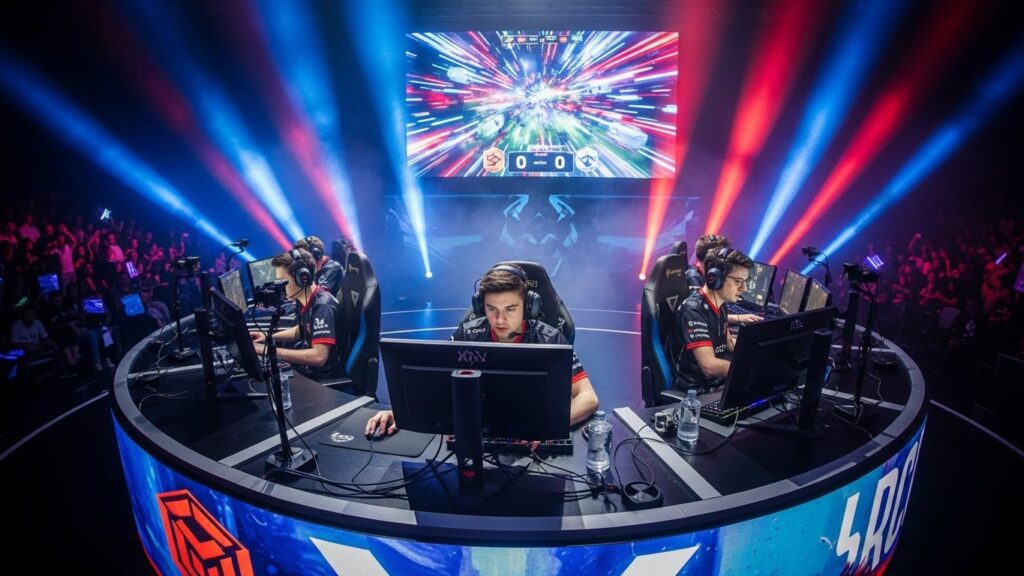
Introduction: A New Arena Is Born
Once dismissed as a pastime for hobbyists, competitive gaming has transformed into a global phenomenon known as esports. Today, esports fills stadiums, attracts millions of online viewers, and generates careers for players, coaches, analysts, and creators. What was once confined to bedrooms and internet cafés has evolved into a professional industry rivaling traditional sports in scale, passion, and cultural impact. Esports is no longer the future of competition; it is the present.
Understanding Esports: More Than Just Playing Games
Esports refers to organized, competitive video gaming where individuals or teams compete in structured tournaments. These competitions span multiple genres, including strategy games, first-person shooters, sports simulations, and multiplayer online battle arenas. Unlike casual gaming, esports demands rigorous training, strategic planning, teamwork, and mental resilience. Players often practice for long hours daily, analyzing gameplay and refining skills much like athletes in conventional sports.
The Evolution of Competitive Gaming
The roots of esports can be traced back to early arcade competitions and small-scale tournaments in the 1990s. As internet connectivity improved, online multiplayer games enabled global competition. Streaming platforms and digital broadcasting accelerated growth, allowing fans to watch matches live and engage with players directly. Over time, sponsorships, professional leagues, and international championships established esports as a structured and sustainable industry.
Popular Esports Genres and Games
Esports thrives on diversity. Multiplayer online battle arena games emphasize strategy, teamwork, and map control. First-person shooters test reflexes, precision, and tactical coordination. Real-time strategy games reward foresight and decision-making under pressure. Sports simulation games bring familiar athletic experiences into the digital realm. This variety ensures that esports appeals to a wide audience with different tastes and skill sets.
The Professional Esports Athlete
Contrary to stereotypes, professional esports players maintain disciplined lifestyles. Training schedules include mechanical practice, strategic review, physical fitness routines, and mental conditioning. Reaction time, hand-eye coordination, and communication are critical attributes. Many teams employ coaches, psychologists, and nutritionists to support peak performance. Careers may start young, but longevity depends on adaptability, learning, and teamwork.
Esports Teams and Organizations
Esports teams operate similarly to traditional sports franchises. They sign players to contracts, manage branding, secure sponsorships, and compete in leagues and tournaments. Organizations invest in training facilities, analytics tools, and content creation to build fan loyalty. Successful teams become global brands, with supporters spanning continents and cultures.
Tournaments and Leagues: The Heart of Competition
Major esports tournaments draw massive audiences both online and in live venues. Prize pools can reach millions, reflecting the high stakes and prestige involved. Seasonal leagues provide consistent competition, while international championships crown the best teams in the world. These events showcase elite skill, dramatic storylines, and unforgettable moments that define esports history.
The Role of Streaming and Media
Streaming platforms revolutionized esports by making content accessible to anyone with an internet connection. Fans can watch live matches, player streams, interviews, and behind-the-scenes content. This constant accessibility strengthens the bond between players and audiences. Esports thrives on community interaction, with chats, social media, and fan-created content fueling engagement.
Esports and Youth Culture
Esports resonates strongly with younger generations who grew up with digital technology. It reflects modern forms of social interaction, entertainment, and competition. For many, esports provides a sense of belonging and aspiration. Schools and universities increasingly recognize this influence by forming esports clubs, offering scholarships, and integrating competitive gaming into extracurricular programs.
Economic Impact of Esports
The esports industry generates revenue through sponsorships, advertising, merchandise, ticket sales, and media rights. Brands from technology, apparel, food, and finance invest heavily to reach esports audiences. This economic ecosystem supports thousands of jobs beyond players, including event organizers, broadcasters, developers, and marketers.
Challenges Facing the Esports Industry
Despite its success, esports faces challenges. Player burnout, short career spans, and mental health concerns require attention. Governance and standardization vary across games and regions, leading to inconsistencies. Issues such as cheating, fair play, and inclusivity must be addressed to ensure long-term credibility and growth. As the industry matures, sustainable practices become increasingly important.
Esports and Traditional Sports: A Converging Path
Rather than competing, esports and traditional sports increasingly collaborate. Sports clubs invest in esports teams, while broadcasters integrate esports into mainstream programming. Both share values of competition, teamwork, and fan loyalty. This convergence highlights esports as a legitimate extension of the global sports landscape.
Education and Skill Development Through Esports
Esports fosters valuable skills beyond gaming. Strategic thinking, leadership, communication, and problem-solving are central to success. Educational institutions recognize these benefits, using esports to engage students and teach digital literacy. Careers in esports also encourage interest in technology, media production, and business management.
The Global Reach of Esports
Esports transcends borders. Players from different countries compete on equal footing, united by shared rules and digital platforms. International tournaments celebrate cultural diversity while promoting mutual respect. This global nature makes esports a powerful connector in an increasingly interconnected world.
The Future of Esports
The future of esports is shaped by technological innovation. Advancements in virtual reality, augmented reality, and artificial intelligence promise new competitive experiences. Improved infrastructure and broader acceptance will continue to expand audiences. As regulations evolve and investment grows, esports is poised to become an enduring pillar of global entertainment.
Conclusion: A Digital Sport for a Digital Age
Esports represents a profound shift in how competition, entertainment, and community are experienced. It blends technology with human skill, strategy with creativity, and global reach with personal connection. From humble beginnings to packed arenas, esports has earned its place as a defining sport of the digital age. As it continues to evolve, esports will not only entertain but also inspire future generations to compete, collaborate, and dream in entirely new ways.




More Stories
Pixels to Podiums: The Rise of Esports as a Modern Sporting Power
Beyond the Screen: How Esports Is Redefining Competition, Culture, and Careers
Beyond the Screen: How Esports Became the New Global Arena