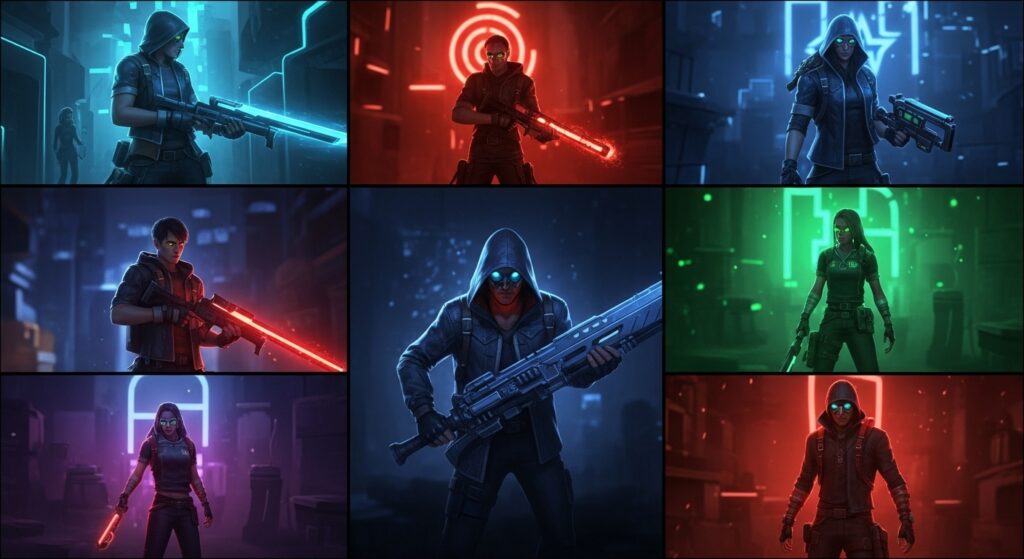
In the span of just two decades, esports has transformed from niche LAN‑room gatherings into a global juggernaut — complete with professional athletes, enormous prize pools, sponsorships, broadcast deals, and fervent fanbases. What began as a pastime for passionate gamers has become a serious contender in the world of professional sport and entertainment. In this blog post, we’ll dive into how esports evolved, the forces behind its ascent, the challenges it faces, and a glimpse into what the future might hold.
The Birth and Evolution of Esports
From Arcade Battles to LAN Parties
Esports did not emerge overnight. Its roots trace back to the earliest days of video gaming. In arcade halls, competitions like who could get the highest score in Donkey Kong or Pac‑Man drew crowds. These humble beginnings established something deeper than recreation: the competitive spirit of gamers.
When home consoles and PCs became widespread, players began organizing informal matches. LAN parties — where gamers brought their machines to a common space and played head‑to‑head — became the breeding ground for early competitive gaming. Titles like StarCraft, Counter‑Strike, and Quake featured prominently in these grassroots tournaments.
The Internet Era: Global Reach
The advent of broadband internet was a turning point. It enabled players from far apart locations to face off without being in the same room. Game developers seized this opportunity by building online matchmaking, ranking systems, and spectator modes. Titles such as StarCraft II, League of Legends, and Dota 2 capitalized on online infrastructure.
Streams began to emerge — first via amateur platforms, then via dedicated services. Fans could now watch others play high‑level matches in real time. Spectatorship transformed from local arcs to global broadcasts.
The Professionalization of Play
What sets modern esports apart is its full professionalization. Teams now employ coaches, analysts, physical trainers, psychologists, and branding specialists. Players sign contracts, train in bootcamps, travel internationally, and compete on massive stages before stadium audiences.
Major game publishers created structured leagues and world championships. Sponsorship deals, franchising, broadcasting rights, and merchandising turned esports into a commercial enterprise. Prize pools that once seemed astronomical for gaming (hundreds of thousands) now reach into tens of millions.
Why Esports Took Off
Accessible Entry Barriers
One advantage esports holds is accessibility. Unlike many traditional sports that require specialized facilities, large budgets, or geographical constraints, esports needs only a computer/consoles, internet access, and willingness to learn. That relatively low barrier to entry allows talent to emerge from anywhere — bedrooms, small towns, or underserved regions.
Digital Nativity of Youth Culture
Today’s youth have grown up with screens, digital connectivity, and gaming as a core part of their culture. Esports aligns with their interests in entertainment, online socialization, and interactive media. For many young people, watching a live match or cheering for a favorite team is as natural as following a football game.
Strong Spectator Appeal
Esports offers intense, dynamic action that translates well to spectating. Viewers enjoy the fast pace, clutch moments, strategic plays, and personal rivalries. Innovations like multiple camera angles, mini‑maps, in‑game data overlays, and instant replays enhance the experience, engaging even casual audiences.
Commercial Viability
Corporate sponsors, advertising agencies, and media networks recognized esports as a way to reach young, tech‑savvy audiences. Brands began investing heavily — placing logos on jerseys, sponsoring tournaments, or collaborating on content. Streaming platforms monetized viewership, ad inventory, and subscription models. Esports also spurred merchandise, ticketing, and franchising, making it a full business ecosystem.
Global Reach
Unlike many physical sports constrained by climate or facilities, esports is inherently global. A match between teams from different continents is technically as viable as a local match. Because digital infrastructure spans borders, large audiences gather across time zones. This global appeal fuels regional leagues, international tournaments, and cultural exchanges.
Structure of an Esports Ecosystem
Game Titles as Leagues
Each esports title operates almost as its own universe. Whether it’s a first‑person shooter, multiplayer online battle arena (MOBA), real‑time strategy, or tactical esport, each game brings its unique rules, meta, balance updates, and community dynamics. Developers often manage or license leagues for their titles, maintaining competitive integrity, broadcasting partnerships, and rule enforcement.
Teams, Organizations, and Franchises
Esports teams function like traditional sports clubs. Organizations recruit talented players, managers, coaching staff, content creators, and marketing professionals. Some leagues adopt franchise models, where teams buy slots and commit to long‑term investment, similar to traditional sports franchises.
Tournaments and Leagues
Competitive structure consists of regional leagues, open qualifiers, mid‑season events, and global championship tournaments. These layers ensure a pipeline for rising talent and maintain consistent viewership across months.
Broadcasting and Streaming Platforms
Broadcasting is a pillar of esports. Matches are streamed live, often with commentary, analysis, interviews, and spectator features. Platforms facilitate real‑time engagement — chat, polls, viewer rewards, and social interaction. Production quality rivals that of conventional sport broadcasts.
Supporting Infrastructure
Behind the scenes is a support network: tournament organizers, casters (commentators), shoutcasters (live commentators), analysts, event staff, referees, anti‑cheat systems, and anti‑doping or behavioral regulations. This infrastructure helps maintain legitimacy and viewer trust.
Spotlight: Major Esports Genres and Titles
MOBAs (Multiplayer Online Battle Arena)
Games like League of Legends and Dota 2 represent MOBA excellence. Two teams of five players each fight to destroy the opponent’s base while managing resource control, rotations, and strategic decisions. MOBAs are deeply strategic, with evolving metas and frequent updates.
First‑Person Shooters (FPS) and Tactical Shooters
Popular FPS titles include Counter‑Strike: Global Offensive, Valorant, Overwatch, and Call of Duty. These games emphasize precision, communication, reflexes, and map control. Tactical shooters, such as Rainbow Six Siege, reward patience, planning, and coordinated teamwork.
Real-Time Strategy (RTS)
RTS games like StarCraft II challenge players to manage economy, unit composition, multitasking, and adaptation. Although more niche in the current era, RTS remains foundational in esports history.
Battle Royale and Arena Shooters
Games like Fortnite, Apex Legends, and PUBG popularized the last‑player-standing format on vast maps with dynamic encounters. Recent hybrids blend action, survival, and strategy.
Fighting Games
Titles like Street Fighter, Mortal Kombat, Tekken, and Super Smash Bros. emphasize deep mechanical skill and close one‑on‑one duels. These esports maintain a grassroots vibe while commanding dedicated fan followings.
Sports Simulators and Racing
Simulated sports — such as FIFA, NBA 2K, Rocket League — allow athletes and fans to compete digitally. Sim racing titles like iRacing or F1 games attract both motorsport fans and serious sim drivers.
Challenges and Criticisms
Burnout and Player Welfare
The demands on pro esports athletes are intense. Long practice hours, travel, jet lag, mental stress, and public scrutiny can contribute to burnout, anxiety, and depression. Ensuring rest, mental health support, and balanced schedules is a key ongoing issue.
Longevity and Career Span
Unlike many traditional sports, esports careers are often brief. Reaction times and hand‑eye coordination might decline by the late twenties or early thirties. Organizations must help players transition — into coaching, management, streaming, or analysis.
Fairness, Cheating, and Integrity
Cheating via hacks, match fixing, doping, or unfair practices can erode trust. Developers and organizers must remain vigilant, implementing anti‑cheat tools, monitoring systems, and clear regulations to preserve legitimacy.
Regional Disparities
While esports are global, infrastructure is not evenly distributed. Regions with weaker internet access, fewer sponsors, or limited exposure struggle to compete. Many talented players go unnoticed due to geographic or economic barriers.
Oversaturation and Fragmented Audiences
With so many game titles, tournaments, and leagues, audiences may fragment. Too many concurrent events dilute attention, making it harder for any single league to sustain dominance.
Monetization and Sustainability
Some tournaments rely heavily on sponsorships and publisher support. Balancing revenue across ticket sales, merchandising, media rights, and advertising is complex. If sponsors pull out, ecosystems may destabilize.
The Ecosystem Beyond Competition
Content Creation and Personal Branding
Most pro players and teams are also content creators. They stream gameplay, host talk shows, create vlogs, and engage in social media storytelling. This dual role strengthens fan connection and diversifies revenue.
Coaching, Analytics, and Strategy Studios
Behind every elite team is an analytical engine. Coaches and analysts dig into performance data, opposing tendencies, and game trends. A team’s ability to interpret and adapt is often the difference in high‑stakes matches.
Event Production and Live Experiences
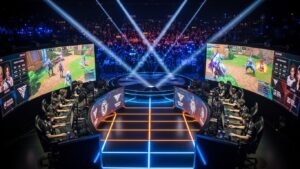
Major events now fill arenas, convention centers, or stadiums. Live production features opening ceremonies, in‑game elements, stage effects, and fan zones. The energy rivals that of major sporting events — fans travel globally, wear team colors, and gather in large crowds.
Education and Institutional Recognition
Universities and colleges are adding esports scholarships, clubs, and programs. Some nations now recognize esports in national sports federations. Schools teach game design, broadcasting, and event management with esports integration.
Merchandise, Licensing, and Brand Partnerships
Teams and players sell apparel, digital skins, exclusive items, and collectables. Partnerships with fashion brands, energy drinks, tech companies, and lifestyle products enhance reach. Licensing deals further embed esports into mainstream culture.
Success Stories and Landmark Moments
Record-Breaking Prize Pools
One of the most dramatic signals of esports’ scale is in prize pools. Some world championships distribute tens of millions in cash awards, rivaling major sports tournaments.
Stadium Sellouts and Tens of Millions Watching
Arena events regularly sell out — crowds of thousands attend Grand Finals. Simultaneously, broadcast viewership numbers climb into tens of millions, spanning multiple platforms and regions.
Crossovers Into Traditional Sports
Traditional sports teams and celebrities now invest in or acquire esports organizations. This crossover brings legitimacy, infrastructure, and capital from established industries.
National and Multi-sport Events
Esports has appeared in multi-sport games and regional events. Though not always included in official medal tallies, its presence signals recognition by sporting institutions.
The Road Ahead: Trends and Future Directions
Metaverse, VR/AR, and Immersive Experiences
As virtual reality and augmented reality evolve, esports may become more immersive. Imagine players inside virtual arenas or fans experiencing matches in 3D space. The line between gaming and spectacle could further blur.
Mobile Esports Expansion
In many regions, mobile gaming already dominates. Titles designed for mobile platforms (battle royale, MOBA on phones) will likely see further competitive adoption, especially in emerging markets.
Cross-Platform and Interoperable Titles
Future games may allow seamless play across PC, console, and mobile. Cross‑platform competitive formats will unite larger player pools, increase accessibility, and expand audience reach.
AI, Analytics, and Coaching Revolution
Machine learning will refine analytics in real time — predicting opponent strategies, optimizing play styles, and enabling adaptive coaching tools during matches.
Augmented Broadcasting and Viewer Experience
Viewers may gain more control over how they watch — switching camera angles, choosing player POVs, viewing live stats overlays, or participating in match decisions via interactive features.
Regulation, Governance, and Standardization
As the industry matures, formal governance bodies may emerge to oversee ethics, player rights, revenue sharing, and dispute resolution. Standardization will enhance stability and trust.
Diversity, Inclusion, and Global Growth
Efforts to include underrepresented groups and foster inclusive cultures will shape esports’ social impact. Expanding into underserved regions will unearth new talent and audiences.
Why Esports Matters Beyond the Screen
Cultural Shift and Identity Formation
Esports offers a new way for individuals — especially younger generations — to build identity, community, and connection. Supporting a team or player becomes a social marker, just like being a football fan.
Technological Innovation Driver
Esports demands high-performance hardware, low-latency networks, streaming infrastructure, and real-time analytics. Requirements push innovation in computing, networking, and media tech.
Economic and Employment Ecosystem
An entire economy — from event production to apparel, broadcasting, coaching, and content creation — revolves around esports. It creates jobs, careers, and ancillary industries.
Education, Skill Development, and Soft Skills
While esports is entertainment, the secondary skills around it — critical thinking, teamwork, communication, strategic planning — are transferable to many fields. Involvement can encourage tech literacy, media skills, and entrepreneurship.
Youth Empowerment and Pathways
In countries where traditional sports infrastructure is limited or expensive, esports offers alternative career paths for talented youth. With relatively low entry costs and global reach, an ambitious player can gain recognition from anywhere.
How to Get Involved: For Players, Fans, and Organizers
Aspiring Competitive Players
- Start small and locally: Join local tournaments, online ladders, and amateur leagues to gain experience.
- Pick a game and master your niche: Focus on one title and one role (e.g. specific champion or map).
- Record and analyze your play: Watch replays, study mistakes, and learn from top players.
- Join a team or community: Working with others improves coordination, communication, and exposure.
- Balance training and rest: Avoid burnout by managing time, physical fitness, and mental health.
Fans and Spectators
- Engage in community: Discuss matches, follow social channels, support teams and players.
- Attend live events: Experience the energy, crowd, and spectacle firsthand.
- Create content: Write match reviews, produce video commentary, or start a fan blog or podcast.
- Support ethics and integrity: Value fair play, cheer transparent rule enforcement, and call out toxicity when you see it.
Organizers and Venue Hosts
- Focus on production value: Good stage design, sound, lighting, and broadcast tech enhance engagement.
- Support grassroots growth: Offer amateur leagues or open qualifiers to expand the talent pipeline.
- Ensure fairness and transparency: Use robust rulebooks, clear adjudication, and communication with stakeholders.
- Build sponsor relationships: Show value for brands in audience demographics, exposure, and engagement.
- Collaborate globally: Work with leagues, publishers, media platforms, and cross‑regional organizers to build cohesive calendars.
Possible Risks and Ethical Considerations
Gambling, Betting, and Match Fixing
As viewership grows, betting markets build around matches. Without strong regulation and oversight, match fixing or fraudulent outcomes pose real threats to the sport’s integrity.
Player Exploitation and Contracts
Some organizations may sign players to unfavorable contracts or fail to deliver promised support. Ensuring fair contracts, transparent compensation, and dispute resolution is essential to sustainable growth.
Online Harassment and Toxicity
Gaming communities sometimes suffer from harassment, hate speech, or exclusion. Leagues, teams, and platforms must foster positive culture, moderation, and accountability systems.
Health Impacts
Extended screen time, poor posture, sleep disruption, and sedentary behavior pose health risks. Players and fans must cultivate healthy habits, regular physical activity, and mental balance.
Cultural Sensitivity and Localization
Global esports events sometimes clash with local cultural norms or regulations. Organizers should be sensitive to regional differences, inclusivity, and local customs.
A Vision for the Next Decade
Imagine this projection: in ten years, mainstream recognition of esports equals that of traditional sports. Stadiums routinely host esports events with tens of thousands in attendance. Universities offer full scholarships, and local schools include competitive gaming in their curricula.
Simultaneously, games evolve. Titles support cross‑platform competition, AR/VR elements, and fluid hybrid genres. Viewers interact with matches, influencing camera angles or mini-events within the live stream. AI coaches assist players in real time. Regional underdogs emerge from previously overlooked markets. And the distinction between “gamer” and “athlete” fades.
In this future, the values that sustain traditional sport — fair play, fan passion, legacy, talent development — combine with the technological possibilities and immediacy of digital competition. Esports might not just coexist alongside conventional sport; it might redefine how we think about competition, entertainment, and community.
Conclusion: Why Esports Isn’t Just a Trend
Esports is not a fad waiting to fade; it is an emergent pillar of global entertainment and competitive culture. Its unique blend of accessibility, spectacle, technology, and community gives it staying power. Though challenges remain — around player welfare, sustainability, and regulation — the momentum is undeniable.
For players, it is a pathway to professional opportunity. For fans, it is a new arena of emotional investment and identity. For businesses, it is a frontier of branding, content, and media innovation. Above all, esports offers a reminder: competition adapts, evolves, and endures — whether on grass, ice, court, or digital battlefield.
More Stories
Pixels to Podiums: The Rise of Esports as a Modern Sporting Power
Beyond the Screen: How Esports Is Redefining Competition, Culture, and Careers
Pixels to Glory: The Rise of Esports as a Global Sporting Powerhouse