Introduction
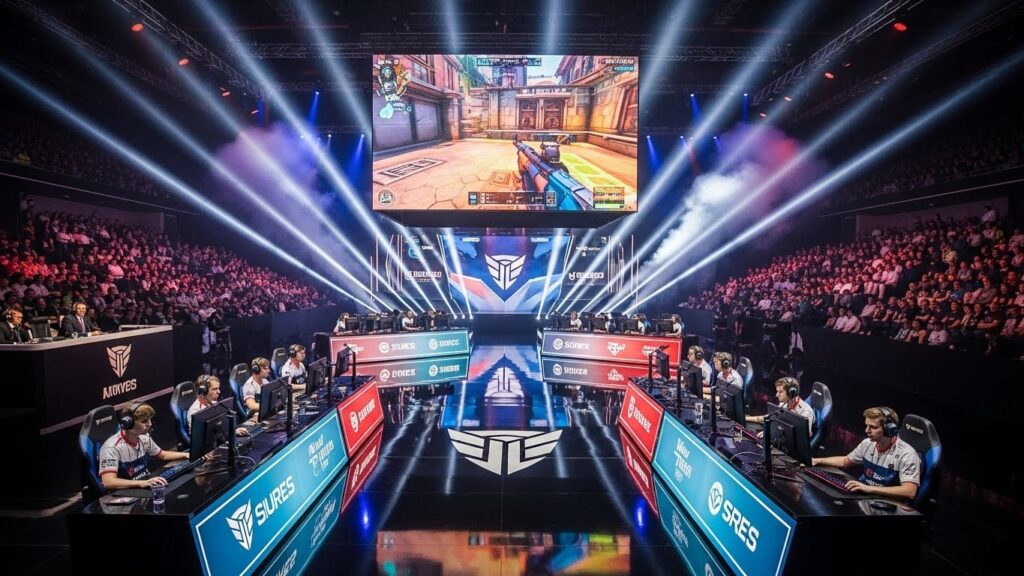
Esports, or competitive gaming, has emerged as one of the fastest-growing forms of entertainment in the 21st century. Once considered a niche hobby, it has evolved into a global phenomenon with professional leagues, massive audiences, and lucrative career opportunities. Unlike casual gaming, esports involves organized competitions where skill, strategy, and teamwork determine success. Its rise reflects the digital evolution of society, offering not only entertainment but also economic, social, and cultural impact. This blog delves into the growth of esports, its benefits, challenges, and the transformative role it plays in modern life.
The Origins of Esports
The story of esports begins in the early days of video gaming, where players competed for high scores in arcade games. The 1980s and 1990s saw the first organized tournaments, often held in local arcades or school events. Games such as Pac-Man, Donkey Kong, and Street Fighter became competitive platforms. The advent of personal computers and the internet transformed gaming into a global activity. Titles like StarCraft, Counter-Strike, and Quake were instrumental in laying the foundations of modern esports. Online multiplayer games allowed players to compete across regions, creating the first global esports communities and a culture of professional gaming.
How Esports Works
Esports competitions can take place individually or as part of a team, depending on the game genre. Popular genres include first-person shooters, real-time strategy games, multiplayer online battle arenas, sports simulations, and fighting games. Each competition follows structured rules, and players are often ranked based on performance, wins, and skill levels. Professional esports players dedicate hours to training, studying opponents, and refining strategies. Unlike casual gaming, esports demands discipline, practice, and adaptability, making it comparable to traditional sports in terms of preparation and dedication.
Professionalization of Esports
The rise of professional esports has created a structured industry similar to traditional sports. Esports organizations recruit talented players and provide salaries, housing, coaching, and training facilities. Beyond playing, careers in esports include event management, broadcasting, content creation, marketing, game development, and analysis. Sponsorship deals, merchandise, and tournament prize money contribute to the financial viability of esports as a career. Professionalization demonstrates that competitive gaming is not just entertainment but a legitimate field with career opportunities and long-term growth potential.
The Mental and Cognitive Benefits
Competitive gaming enhances cognitive skills such as problem-solving, strategic thinking, and multitasking. Players must process information quickly, make split-second decisions, and anticipate opponents’ moves. This improves memory, focus, and adaptability. Additionally, esports promotes emotional resilience, as players learn to manage pressure, setbacks, and high-stakes environments. Unlike casual gaming, which may encourage passivity, esports actively engages the brain, requiring sustained mental effort and concentration. Many skills developed in esports are transferable to education, professional life, and personal decision-making.
Teamwork and Communication Skills
Team-based esports emphasize communication, coordination, and leadership. Players must synchronize strategies, share real-time information, and execute complex plans under pressure. Effective teamwork cultivates trust, adaptability, and collaboration. Even individual esports games often involve communication with coaches, analysts, and community members. The collaborative skills gained through esports mirror those required in professional environments and interpersonal relationships, making competitive gaming a tool for personal development beyond the digital arena.
Community and Social Engagement
Esports thrives on community engagement. Online platforms allow fans to follow players, interact with teams, and participate in discussions. Communities foster social connections, mentorship, and cultural exchange. Esports events also create a sense of belonging, where fans celebrate achievements and share experiences. Unlike many traditional sports, esports communities are inclusive of diverse backgrounds, promoting cultural diversity and global interaction. Social engagement in esports contributes to mental well-being, providing both entertainment and social support networks for players and fans alike.
Economic Significance of Esports
The esports industry generates billions of dollars globally through tournaments, sponsorships, media rights, and merchandise. Major events such as the League of Legends World Championship, Dota 2’s The International, and Fortnite World Cup attract millions of viewers and substantial prize pools. Local economies benefit from hosting tournaments through tourism, venue management, and event-related businesses. Furthermore, the industry supports ancillary sectors like gaming hardware, streaming platforms, software development, and content creation. Esports has become a powerful economic engine with long-term potential for growth and innovation.
Inclusivity and Accessibility
Esports is more inclusive than many traditional sports because physical limitations are less restrictive. Success is determined by skill, strategy, and practice rather than physical attributes. Women, differently-abled individuals, and players from diverse socio-economic backgrounds can compete on equal terms. Initiatives promoting inclusivity continue to expand participation and representation in professional esports. This meritocratic nature makes esports an attractive option for individuals seeking competitive opportunities without the barriers present in conventional sports.
Esports and Education
Esports has found its way into educational institutions worldwide. Schools and universities now offer esports programs, clubs, and scholarships, recognizing its potential for developing skills like strategic thinking, teamwork, and leadership. Students participating in esports learn time management, discipline, and goal-setting, balancing academic and competitive responsibilities. Esports in education challenges traditional notions of sports and demonstrates that digital competition can complement intellectual growth and career development.
Health Considerations in Esports
While esports offers numerous benefits, it also poses challenges to physical and mental health. Prolonged screen time, repetitive motions, and extended practice sessions can lead to eye strain, musculoskeletal issues, and fatigue. Mental health concerns, including stress and burnout, are prevalent among competitive players. Professional organizations emphasize balanced routines, including exercise, proper nutrition, and mental wellness support. Addressing these health considerations ensures sustainable performance and a longer career lifespan for esports athletes.
Technological Advancements Driving Esports
Technology underpins the growth and popularity of esports. High-speed internet, advanced graphics, cloud computing, and streaming platforms enable global competition and real-time engagement. Analytics, AI coaching tools, and performance tracking systems help players optimize skills. Emerging technologies like virtual reality and augmented reality promise immersive gaming and training experiences. Technology continues to redefine esports, enhancing gameplay, viewership, and fan interaction, making it a dynamic and evolving field.
Challenges Facing the Esports Industry
Despite rapid growth, esports faces challenges such as lack of standardized regulations, performance pressure, and ethical concerns like cheating or match-fixing. Gender disparities and unequal access to professional resources remain issues to address. Over-commercialization can sometimes prioritize profit over player development and community values. Addressing these challenges requires collaboration among players, organizations, and regulatory bodies to ensure the integrity, inclusivity, and sustainability of the industry.
Global Cultural Influence
Esports has become a cultural phenomenon, influencing fashion, music, media, and digital trends. Professional players serve as role models and celebrities, inspiring millions worldwide. Esports reflects the values of a digitally connected generation, including creativity, collaboration, and technological literacy. Its global nature bridges geographic, linguistic, and cultural divides, promoting shared experiences and international engagement. The cultural impact of esports goes beyond entertainment, shaping the identity and lifestyle of modern society.
The Future of Esports
The future of esports is poised for exponential growth. Technological advancements, increasing investment, and mainstream recognition will continue to expand its reach. Virtual reality, AI integration, and interactive streaming experiences will transform gameplay and audience engagement. Esports is likely to become more deeply embedded in education, entertainment, and professional industries. Its adaptability ensures it will remain relevant in a rapidly changing digital landscape, continuing to offer opportunities for players, fans, and entrepreneurs alike.
Conclusion
Esports has evolved into a global movement that combines skill, strategy, teamwork, and community engagement. It offers professional career opportunities, cognitive development, social connection, and economic growth. Inclusivity and technological innovation make esports accessible to diverse audiences, while educational integration and cultural influence highlight its broader societal significance. Challenges remain, but the industry’s continued maturation demonstrates resilience and potential. Beyond being a game, esports represents the convergence of ambition, creativity, and human potential in the digital age. Its growth signifies a shift in how we perceive competition, entertainment, and achievement, making esports one of the defining phenomena of the modern world.


More Stories
Pixels to Podiums: The Rise of Esports as a Modern Sporting Power
Beyond the Screen: How Esports Is Redefining Competition, Culture, and Careers
Pixels to Glory: The Rise of Esports as a Global Sporting Powerhouse