Introduction
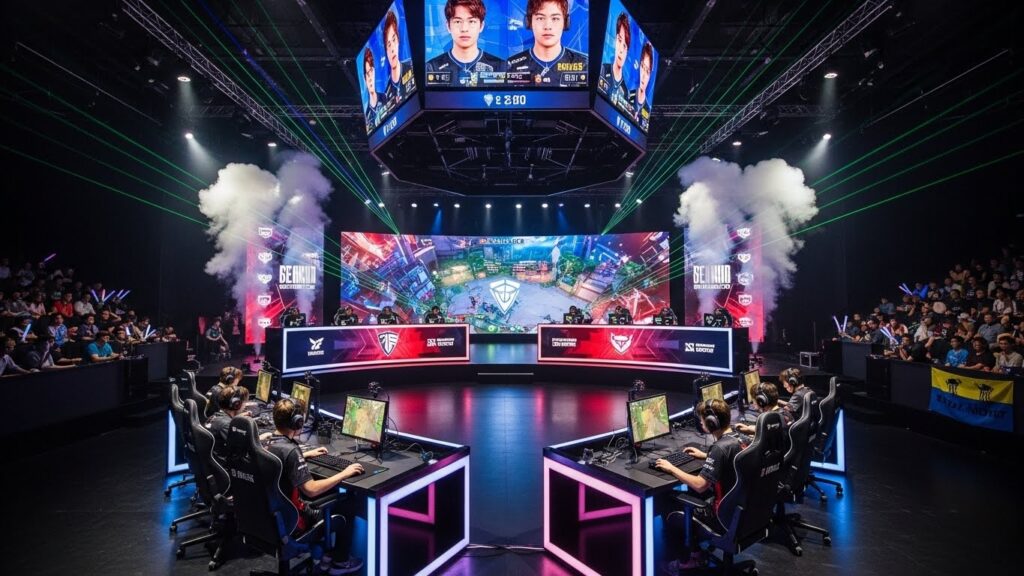
In the past decade, competitive gaming, widely known as esports, has transitioned from a niche hobby to a global phenomenon. What was once considered informal or recreational has now become a structured industry with professional players, teams, tournaments, and massive audiences. Esports is not merely about playing games; it combines strategy, skill, teamwork, entertainment, and business innovation. This blog explores the evolution of esports, its technological foundation, economic impact, cultural significance, and the trends shaping its future.
The Origins of Esports
The concept of competitive gaming is not entirely new. Early video game competitions can be traced back to the 1970s, when arcade machines and home consoles became popular. One of the first notable events was a Space Invaders tournament held in 1980, which attracted players from across the United States. Although modest by today’s standards, it marked the beginning of organized gaming competitions.
Throughout the 1980s and 1990s, competitive gaming gained momentum with games such as Pac-Man, Tetris, and Street Fighter. The rise of networked computers enabled multiplayer competitions, laying the groundwork for the esports industry. In South Korea, professional leagues for games like StarCraft emerged in the late 1990s, establishing esports as a career path and a national phenomenon.
The Evolution of Esports
Esports has evolved rapidly over the past two decades. The 2000s saw the growth of online multiplayer games, including World of Warcraft and Counter-Strike, which facilitated large-scale competitive play. International tournaments began attracting global attention, and streaming platforms allowed fans to watch competitions in real time.
By the 2010s, esports became a fully professionalized industry. High-profile games like League of Legends, Dota 2, and Overwatch created structured leagues with formal teams, coaches, and training regimens. Major tournaments now offered prize pools reaching millions of dollars, rivaling traditional sports events. This era established esports as a legitimate form of professional competition and entertainment.
The Technology Behind Esports
Technology is the backbone of esports. High-performance computers, gaming consoles, and reliable internet connections are essential for competitive play. Advanced graphics, real-time communication, and latency-free gameplay ensure fairness and accuracy in competitions.
Streaming technology has also revolutionized esports. Platforms that broadcast live matches allow millions of fans worldwide to follow competitions, interact with players, and build communities. Data analytics and artificial intelligence play an increasing role in esports, enabling teams to analyze gameplay, optimize strategies, and enhance player performance.
Popular Esports Games
Esports encompasses a wide variety of game genres, each offering unique competitive challenges:
Multiplayer Online Battle Arenas (MOBAs): Games like League of Legends and Dota 2 involve strategic team play, map control, and character progression. MOBAs are renowned for their complexity and require precise teamwork and decision-making.
First-Person Shooters (FPS): Titles such as Counter-Strike: Global Offensive and Call of Duty focus on precision, reflexes, and tactical gameplay. FPS esports often emphasize quick thinking and coordinated team strategies.
Real-Time Strategy (RTS) Games: RTS games like StarCraft demand strategic planning, resource management, and quick adaptation to opponents’ actions. These games reward both foresight and rapid execution.
Sports Simulations: Games such as FIFA and NBA 2K replicate real-world sports, offering competitive tournaments that mirror professional athletic events.
Fighting Games: Titles like Street Fighter and Tekken feature one-on-one combat, highlighting skill, timing, and reflexes in direct competition.
Card and Strategy Games: Digital card games like Hearthstone require strategic thinking, adaptability, and in-depth knowledge of game mechanics.
The Structure of Esports Competitions
Esports competitions are highly organized, with formal structures similar to traditional sports. Teams often have professional management, coaches, analysts, and support staff. Tournaments vary from small local events to massive international championships, often featuring group stages, playoffs, and grand finals.
Prize pools in major tournaments can reach millions of dollars, attracting elite players and teams. Sponsorship deals, media rights, and merchandising further fuel the industry’s growth, transforming esports into a sustainable career path for players, organizers, and content creators.
The Economic Impact of Esports
Esports is now a multi-billion-dollar industry. Revenue streams include tournament earnings, team sponsorships, advertising, streaming subscriptions, in-game purchases, and merchandise. Corporate sponsorships from global brands provide financial support, enhancing the visibility and credibility of competitive gaming.
Job opportunities have expanded beyond players. Esports careers now include coaches, analysts, commentators, event managers, content creators, and technical support staff. Additionally, esports stimulates ancillary industries, such as streaming platforms, digital marketing, and gaming hardware manufacturing.
The Cultural Significance of Esports
Esports has transformed gaming culture into a global community. Online platforms allow fans to follow teams, discuss strategies, and share experiences. Competitive gaming has fostered social connections across borders, making esports a truly international phenomenon.
Esports has also influenced popular culture. Celebrities, influencers, and professional athletes now participate in tournaments and streaming events. Universities and schools have recognized esports programs, offering scholarships and organized competitions, further legitimizing competitive gaming as a social and educational activity.
Challenges in the Esports Industry
Despite rapid growth, esports faces several challenges. Player burnout is a significant concern due to long training hours, travel schedules, and performance pressure. Mental health and well-being initiatives are becoming increasingly important to support players’ sustainability in the industry.
Another challenge is regulation and standardization. With multiple games, platforms, and governing bodies, maintaining consistency in rules, fairness, and tournament integrity is complex. Esports must navigate these challenges to ensure long-term credibility and stability.
The Future of Esports
The future of esports promises further expansion and innovation. Key trends include:
Virtual Reality (VR) and Augmented Reality (AR): Immersive technologies will provide new ways to play and spectate esports, creating interactive experiences beyond traditional screens.
Artificial Intelligence and Analytics: AI will enhance performance analysis, strategy development, and personalized fan engagement, making esports smarter and more competitive.
Global Expansion: Emerging markets in Asia, South America, and Africa will contribute to the growth of esports, increasing participation and audience diversity.
Integration with Traditional Sports: Partnerships with traditional sports organizations will continue, blending fan bases, sponsorships, and media opportunities.
Education and Training: Esports education programs will develop professional skills, including strategy, teamwork, and digital literacy, preparing the next generation of players and industry professionals.
Conclusion
Esports has evolved from informal gaming competitions to a fully professionalized global industry. It combines technology, strategy, teamwork, entertainment, and business, creating a unique cultural and economic phenomenon. The rise of esports demonstrates the transformative potential of digital entertainment, bridging communities, inspiring careers, and shaping popular culture.
As technology continues to advance and global audiences grow, esports will maintain its trajectory of innovation and influence. It is no longer just a form of entertainment but a platform that challenges traditional perceptions of sports, competition, and human interaction. The world of esports is vibrant, dynamic, and poised to redefine the future of competitive gaming for generations to come.




More Stories
Pixels to Podiums: The Rise of Esports as a Modern Sporting Power
Beyond the Screen: How Esports Is Redefining Competition, Culture, and Careers
Pixels to Glory: The Rise of Esports as a Global Sporting Powerhouse