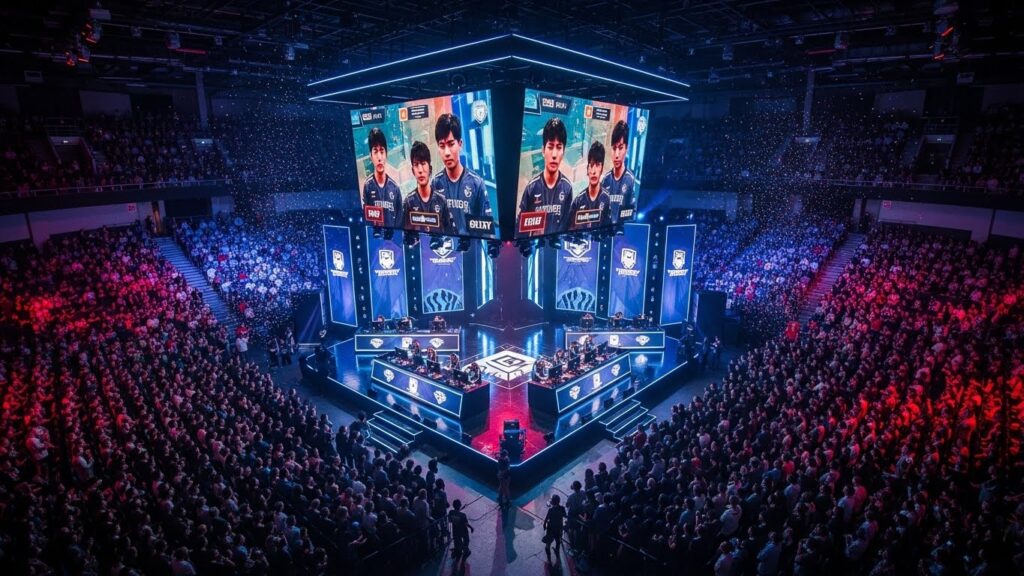
Introduction: The Rise of a Digital Arena
Esports, short for electronic sports, has evolved from casual gaming sessions into a global competitive phenomenon. What once began in small gaming cafés and local tournaments has now transformed into packed arenas, million-dollar prize pools, and a worldwide audience that rivals traditional sports. Esports is no longer just about playing games; it is about strategy, teamwork, storytelling, and an entirely new form of entertainment that speaks to the digital generation.
Understanding What Esports Truly Is
Esports refers to organized, competitive video gaming where individuals or teams compete against each other in structured tournaments. These competitions span a wide variety of genres, including multiplayer online battle arenas, first-person shooters, real-time strategy games, and sports simulations. Unlike casual gaming, esports demands rigorous training, mental discipline, and deep understanding of game mechanics. Professional players often practice for many hours a day, similar to athletes in traditional sports.
From Hobby to Global Industry
The growth of esports has been rapid and remarkable. In just a few decades, it has expanded into a multi-billion-dollar industry. Game publishers, tournament organizers, sponsors, and media companies all play a role in shaping the ecosystem. Major events are hosted in stadiums, broadcast to millions of viewers, and supported by corporate sponsorships from both tech and non-tech industries. This shift has legitimized esports as a serious business and a viable career path.
The Games That Define Esports
Not all video games are esports, but those that succeed in the competitive scene share certain qualities. They emphasize balance, skill-based gameplay, and spectator appeal. Popular esports titles often receive continuous updates to maintain fairness and excitement. Developers work closely with professional players and communities to refine gameplay, ensuring that competition remains engaging and dynamic over time.
The Life of a Professional Esports Player
Becoming a professional esports player requires more than just talent. Players must develop strong reflexes, strategic thinking, and the ability to perform under pressure. Team-based games also demand excellent communication and coordination. Many professionals follow strict schedules that include practice sessions, strategy reviews, physical exercise, and mental conditioning. Despite the glamorous image, the career can be short and highly competitive, making dedication and adaptability essential.
Teams, Coaches, and Support Systems
Behind every successful esports player is a strong support system. Professional teams often include coaches, analysts, managers, and even sports psychologists. Coaches help refine strategies and improve teamwork, while analysts study opponents and game data. This professional structure mirrors traditional sports organizations and highlights how serious esports competition has become.
Esports as a Spectator Experience
Watching esports is an experience in itself. Fans tune in not only for the gameplay but also for the personalities, rivalries, and narratives that develop over time. Commentators and analysts play a key role in making matches accessible and exciting, explaining complex strategies in real time. Live events bring fans together, creating a sense of community that extends far beyond the screen.
The Role of Streaming and Content Creation
Streaming platforms have played a crucial role in the expansion of esports. Players can broadcast their gameplay, interact with fans, and build personal brands. Content creators often blur the line between professional competition and entertainment, attracting audiences who may not even play the games themselves. This direct connection between players and fans has reshaped how sports figures engage with their audience.
Economic Opportunities Beyond Playing
Esports offers far more career options than just being a professional player. Opportunities exist in event management, broadcasting, marketing, game development, coaching, journalism, and graphic design. As the industry grows, so does the demand for skilled professionals who understand both gaming culture and business principles. This diversity of roles makes esports an attractive field for people with varied talents.
Education and Esports
Educational institutions are increasingly recognizing esports as a valuable area of study. Some schools and universities now offer esports programs, scholarships, and dedicated teams. These initiatives help students develop teamwork, leadership, and technical skills while also opening doors to industry-related careers. Esports is becoming a bridge between education, technology, and entertainment.
Cultural Impact and Global Reach
Esports transcends borders, languages, and cultures. International tournaments bring together players and fans from all over the world, fostering global connections. Gaming communities often become spaces where people from different backgrounds interact, collaborate, and compete. This cultural exchange has made esports a powerful tool for global engagement and shared experiences.
Challenges Facing the Esports Industry
Despite its success, esports faces several challenges. Issues such as player burnout, lack of regulation, cheating, and inclusivity continue to be discussed. The industry is still relatively young, and standards around contracts, health, and fair play are evolving. Addressing these challenges is crucial for ensuring long-term sustainability and credibility.
The Importance of Mental and Physical Health
Mental and physical health are becoming increasingly important topics in esports. Long hours of practice and high-pressure environments can take a toll on players. Many organizations now emphasize balanced routines that include physical exercise, proper nutrition, and mental health support. Recognizing players as athletes has helped shift the focus toward overall well-being.
Esports and the Future of Entertainment
Esports represents a broader shift in how people consume entertainment. Interactive, digital-first experiences are becoming more popular, especially among younger audiences. Esports blends competition, storytelling, and community in a way that traditional media often cannot. As technology advances, new forms of immersive viewing experiences may further enhance how fans engage with esports.
Technological Innovation Driving Growth
Advancements in technology have been central to the rise of esports. Faster internet connections, improved hardware, and sophisticated game engines enable smoother gameplay and higher-quality broadcasts. Virtual reality, augmented reality, and artificial intelligence may play a larger role in the future, creating new possibilities for competition and audience engagement.
Esports and Traditional Sports
The relationship between esports and traditional sports is becoming increasingly intertwined. Many traditional sports organizations now invest in esports teams or host their own gaming competitions. This crossover has helped bring esports to a wider audience while also introducing traditional sports fans to digital competition. Rather than replacing traditional sports, esports is expanding the definition of what sport can be.
Inclusivity and Diversity in Esports
Esports has the potential to be one of the most inclusive forms of competition, as physical limitations are less of a barrier. However, representation and inclusivity remain ongoing conversations. Efforts are being made to create safer, more welcoming spaces for players of all genders and backgrounds. A more diverse esports community strengthens the industry as a whole.
The Long-Term Vision of Esports
Looking ahead, esports shows no signs of slowing down. As infrastructure improves and acceptance grows, it is likely to become even more integrated into mainstream culture. Continued investment, responsible governance, and community engagement will shape its future. Esports is not just a trend; it is a lasting evolution in how humans compete and connect.
Conclusion: More Than Just a Game
Esports is far more than playing video games at a high level. It is a global movement that blends competition, technology, culture, and creativity. From professional players and dedicated fans to educators and entrepreneurs, esports touches many aspects of modern life. As it continues to grow and mature, esports will remain a powerful symbol of how digital innovation can redefine sports and entertainment for generations to come.



More Stories
Pixels to Podiums: The Rise of Esports as a Modern Sporting Power
Pixels to Glory: The Rise of Esports as a Global Sporting Powerhouse
Beyond the Screen: How Esports Became the New Global Arena