Introduction: The Rise of Competitive Gaming
Esports, short for electronic sports, has evolved from small community tournaments into a global phenomenon watched by millions. What once seemed like casual gaming has transformed into a structured, professional, and highly competitive industry. Today, esports fills stadiums, attracts massive online audiences, and creates careers for players, coaches, analysts, content creators, and entrepreneurs. More than just entertainment, esports represents a cultural shift in how competition, technology, and youth culture intersect.
What Exactly Is Esports
Esports refers to organized, competitive video gaming where individuals or teams compete in popular titles under official rules and formats. These competitions can range from local amateur events to international championships with multimillion-dollar prize pools. Unlike traditional gaming for leisure, esports emphasizes skill mastery, strategic depth, teamwork, and consistent performance under pressure.
Popular esports genres include multiplayer online battle arena games, first-person shooters, real-time strategy games, sports simulations, and fighting games. Each genre requires different mental and mechanical skills, making esports as diverse as traditional sports.
From Arcades to Arenas: A Brief History
Competitive gaming did not appear overnight. Its roots can be traced back to arcade competitions in the late twentieth century, where players competed for high scores. As home consoles and personal computers became more accessible, competitive gaming expanded into online multiplayer environments.
The growth of internet connectivity played a crucial role in esports development. Players could now compete globally, and spectators could watch matches live. Over time, leagues, professional teams, and sponsorship structures emerged, transforming gaming into a legitimate competitive ecosystem.
The Structure of the Esports Ecosystem
The esports industry operates through a complex network of stakeholders. At the center are the players, who dedicate countless hours to practice and improvement. Surrounding them are teams and organizations that provide salaries, training facilities, coaching, and brand support.
Tournament organizers create leagues and events, while game publishers often oversee competitive formats and rules. Broadcasters, commentators, and analysts bring matches to life for viewers, while sponsors and advertisers fund the industry’s growth. Fans complete the ecosystem by engaging with content, attending events, and supporting teams.
Professional Esports Players: Athletes of the Digital Age
Esports players are often compared to traditional athletes, and for good reason. High-level competitors maintain rigorous practice schedules, sometimes exceeding eight hours a day. They train not only their mechanical skills but also strategy, communication, and mental resilience.
Reaction time, hand-eye coordination, decision-making, and adaptability are critical attributes. Many teams employ sports psychologists, nutritionists, and fitness trainers to help players maintain peak performance. The stereotype of gamers as inactive or unhealthy no longer reflects the reality of professional esports.
Esports and Team Dynamics
Team-based esports titles rely heavily on coordination and trust. Success depends on clear communication, role specialization, and shared strategies. Much like football or basketball teams, esports squads analyze opponents, review gameplay footage, and refine tactics.
Leadership within teams is vital. Captains and in-game leaders make real-time decisions that can determine the outcome of a match. Coaches work behind the scenes, preparing game plans and helping players overcome weaknesses.
The Spectator Experience
Watching esports is an experience designed for both casual viewers and dedicated fans. High-quality production, live commentary, and detailed analysis make matches engaging and easy to follow. Spectators can enjoy dramatic comebacks, intense rivalries, and emotional storylines similar to those found in traditional sports.
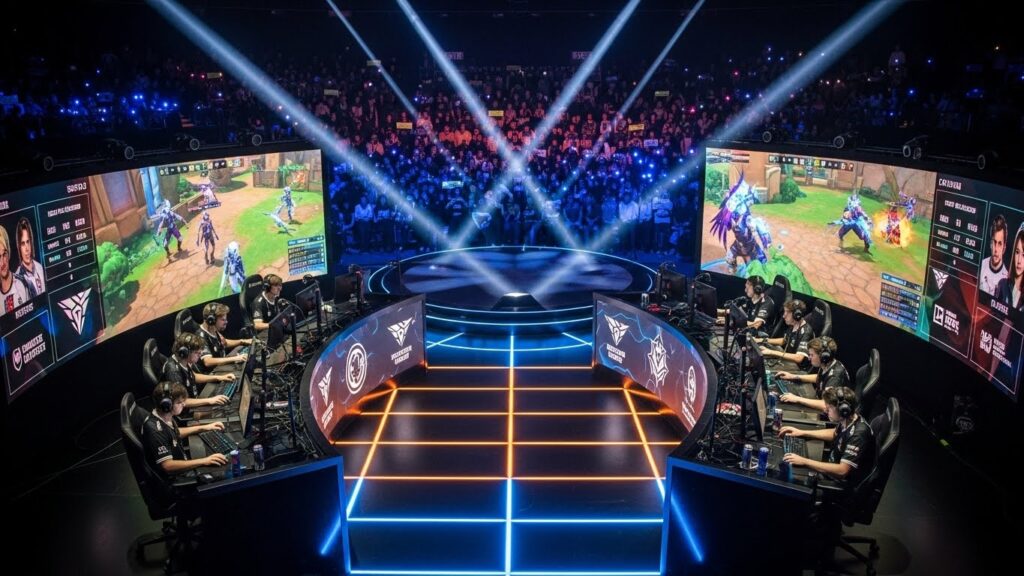
Live events add another layer of excitement. Fans gather in arenas to cheer for their favorite teams, creating an atmosphere filled with energy and passion. Online viewership allows global audiences to participate, making esports one of the most accessible forms of entertainment.
Economic Impact and Career Opportunities
Esports is no longer just about playing games. It has become a thriving industry generating revenue through sponsorships, advertising, merchandise, ticket sales, and media rights. This growth has created diverse career opportunities beyond professional play.
Careers in esports include event management, marketing, journalism, broadcasting, game design, data analysis, and community management. Educational institutions now offer programs related to esports management and production, recognizing its long-term potential.
Esports and Youth Culture
Esports has had a profound influence on younger generations. It provides a platform where digital natives can express creativity, competitiveness, and social connection. Many young fans view esports professionals as role models, inspired by their dedication and success.
However, this influence also comes with responsibility. Balancing gaming with education, physical health, and social development is essential. When approached responsibly, esports can foster teamwork, problem-solving, and discipline.
The Role of Technology
Advancements in technology continue to shape the esports landscape. High-performance hardware, fast internet connections, and sophisticated software enable smoother gameplay and better viewing experiences. Data analytics and artificial intelligence are increasingly used to analyze performance and improve strategies.
Virtual reality and augmented reality may further redefine how esports is played and watched in the future, offering immersive experiences that blur the line between physical and digital competition.
Challenges Facing the Esports Industry
Despite its success, esports faces several challenges. Player burnout, short career spans, and intense pressure are ongoing concerns. The industry also grapples with issues such as fair play, cheating prevention, and consistent governance across regions.
Sustainability is another key challenge. Ensuring long-term financial stability for teams and leagues requires careful planning and responsible investment. Addressing these issues will be crucial for esports to mature as a global industry.
Esports on the Global Stage
Esports has transcended borders, connecting players and fans from different cultures and backgrounds. International tournaments showcase diverse playstyles and foster global communities. Some countries now recognize esports players as professional athletes, granting visas and official support.
This global reach positions esports as a unifying force in a fragmented world, where shared passion can overcome language and cultural barriers.
The Future of Esports
The future of esports looks promising. As technology advances and acceptance grows, esports will continue to integrate with mainstream culture. Hybrid events, cross-media collaborations, and expanded educational pathways are likely to emerge.
Esports may never replace traditional sports, but it does not need to. Instead, it stands as its own powerful form of competition and entertainment, reflecting the digital era in which we live.
Conclusion: More Than Just a Game
Esports is far more than playing video games. It is a global movement that combines competition, technology, creativity, and community. From professional players and passionate fans to businesses and educators, esports touches many aspects of modern life.
As it continues to evolve, esports challenges outdated perceptions and redefines what it means to compete. Beyond the screen lies a dynamic arena where skill, strategy, and human ambition collide, proving that the future of sport is not limited to the physical world alone.




More Stories
Pixels to Podiums: The Rise of Esports as a Modern Sporting Power
Beyond the Screen: How Esports Is Redefining Competition, Culture, and Careers
Pixels to Glory: The Rise of Esports as a Global Sporting Powerhouse