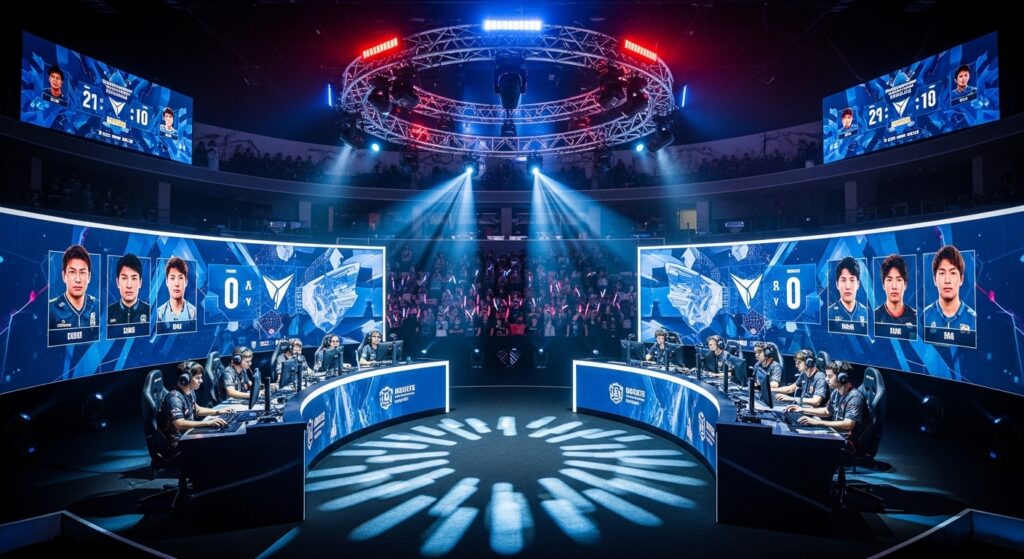
Esports, short for electronic sports, has grown from a niche hobby into a global phenomenon in less than three decades. What was once a pastime limited to local LAN parties and small tournaments has become a multi-billion-dollar industry, complete with professional teams, massive tournaments, sponsorship deals, and dedicated fan bases around the world.
The evolution of esports reflects broader trends in technology, entertainment, and culture. It combines skill, strategy, teamwork, and audience engagement, blurring the lines between traditional sports and digital competition. As technology continues to advance, esports is poised to reach even greater heights, influencing entertainment, media, and social interaction in unprecedented ways.
The Origins of Competitive Gaming
Competitive gaming has roots dating back to the late 1970s and 1980s, when arcade games like “Space Invaders” and “Pac-Man” encouraged local high-score competitions. Early competitions were often informal, involving friends or small communities competing for bragging rights.
The 1990s marked a turning point with the rise of PC gaming. Games like “Doom,” “Warcraft,” and “Quake” introduced multiplayer gameplay and online connectivity, laying the foundation for esports. Competitive communities began to form around these games, with tournaments offering small prizes and recognition.
One of the first widely recognized esports events took place in 1997 with the Red Annihilation Quake tournament. This event demonstrated the potential for competitive gaming to attract large audiences and inspire player communities. It also highlighted the skill, strategy, and precision required to compete at the highest levels.
The Rise of Online Multiplayer Games
The 2000s saw the explosion of online multiplayer games, which became a driving force behind modern esports. Games such as “Counter-Strike,” “StarCraft,” and “World of Warcraft” allowed players to connect and compete across the globe. These games introduced ranking systems, ladders, and organized competitions that mirrored professional sports structures.
Online multiplayer titles offered unprecedented opportunities for team-based play, strategy development, and competitive progression. Communities formed around guilds, clans, and professional teams, creating social bonds and shared goals among players.
The growth of broadband internet during this period enabled smoother gameplay, reducing lag and technical issues that previously hindered competitive play. As a result, esports began to transition from informal competitions to structured leagues and international tournaments.
The Emergence of Esports Leagues
Structured leagues and tournaments became central to esports’ professionalization. The creation of organizations such as the Cyberathlete Professional League and the World Cyber Games provided formalized structures for competition. These leagues introduced rankings, professional contracts, and sponsorship opportunities, legitimizing competitive gaming as a career path.
Games such as “League of Legends,” “Dota 2,” and “Overwatch” later became staples of professional esports. These games offered not only competitive depth but also viewer-friendly mechanics, making them ideal for live broadcasting. Their popularity helped attract sponsors, advertisers, and streaming platforms that recognized the revenue potential of esports.
Leagues also contributed to standardizing rules, regulations, and competitive formats. Tournaments evolved into multi-stage events, including qualifiers, regional competitions, and international finals. This structure mirrored traditional sports, allowing esports to gain credibility and mainstream recognition.
The Role of Streaming in Esports Growth
Streaming platforms have been instrumental in the rapid growth of esports. Sites such as Twitch, YouTube Gaming, and Facebook Gaming allow players to broadcast their gameplay to millions of viewers worldwide. Live streaming transformed esports from a participant-only experience into a spectator sport accessible to anyone with an internet connection.
Streaming also created new revenue opportunities. Players and organizations could monetize content through subscriptions, donations, advertisements, and sponsorships. This ecosystem enabled professional players to earn substantial incomes and gain global recognition.
Beyond professional esports, streaming democratized competitive gaming. Amateur players could showcase their skills, build audiences, and gain entry into professional circuits. Streamers became influencers, shaping gaming culture and trends while connecting fans with games in ways previously impossible.
The Global Impact of Esports
Esports has achieved significant global influence. Tournaments such as The International for “Dota 2” and the League of Legends World Championship draw millions of viewers and offer prize pools in the tens of millions of dollars. These events rival traditional sports in scale, production value, and fan engagement.
Countries around the world have embraced esports, establishing training facilities, universities, and scholarship programs for competitive players. South Korea, China, and the United States have emerged as major esports hubs, attracting investment, talent, and infrastructure to support the industry.
The popularity of esports has also influenced mainstream media. Professional players and teams appear in television programs, documentaries, and advertising campaigns. Esports has become a cultural phenomenon, shaping perceptions of gaming as a legitimate sport and professional pursuit.
Training and Professionalism in Esports
Professional esports players approach training with the same rigor as traditional athletes. Teams implement structured schedules that include practice sessions, strategy development, physical fitness, and mental conditioning. Coaching staff, analysts, and psychologists assist players in optimizing performance and maintaining well-being.
High-level competition demands not only mechanical skill but also communication, teamwork, and strategic thinking. Players must adapt to evolving meta-games, anticipate opponents’ strategies, and execute precise actions under intense pressure.
Professionalism extends beyond gameplay. Players must manage public appearances, media obligations, and fan interactions while maintaining discipline and focus. The level of commitment required in esports demonstrates that competitive gaming is a serious, demanding profession.
The Economics of Esports
The esports industry has become a multi-billion-dollar market. Revenue streams include sponsorships, media rights, merchandise, ticket sales, and digital content. Major brands, from technology companies to consumer goods, invest heavily in esports sponsorships, recognizing the potential to reach engaged, tech-savvy audiences.
Teams and organizations operate like professional sports franchises, signing players to contracts, managing marketing, and securing partnerships. Some esports organizations even expand into multiple games, creating diversified revenue portfolios.
Streaming and content creation also contribute to the industry’s economy. Professional players monetize their channels, attracting millions of viewers who support them through subscriptions, donations, and brand endorsements. This symbiotic relationship between players, audiences, and platforms drives sustainable growth in the esports ecosystem.
The Role of Technology in Esports
Technology underpins every aspect of esports. Advances in hardware, software, and internet infrastructure have made high-level competitive play possible. Gaming PCs and consoles with powerful processors, graphics cards, and low-latency peripherals provide the precision required for professional competition.
Software developments, including anti-cheat systems, replay analysis tools, and performance-tracking applications, enhance fairness and performance. Online platforms facilitate matchmaking, ranking, and tournament management, ensuring seamless competitive experiences.
Streaming technology has revolutionized audience engagement, allowing viewers to watch live matches with real-time commentary, statistics, and interaction. These innovations make esports accessible and entertaining for global audiences, further fueling its growth.
Esports as a Cultural Phenomenon
Esports has influenced culture beyond gaming. It has created communities that share passion, creativity, and competitive spirit. Fans identify with teams, players, and games in ways similar to traditional sports.
Events like live tournaments, fan conventions, and online watch parties foster social connection and community identity. Esports merchandise, fan art, and online discussions extend the cultural impact, shaping trends in fashion, media, and entertainment.
Esports also challenges traditional notions of athleticism and competition. It demonstrates that skill, strategy, and mental agility are equally valid measures of talent. This redefinition of sport has broadened the understanding of competition in contemporary culture.
Challenges Facing the Esports Industry
Despite rapid growth, esports faces challenges. Player burnout is a significant issue due to long hours, high pressure, and constant public scrutiny. Teams and organizations must prioritize mental health, physical well-being, and balanced schedules to ensure sustainability.
Regulation is another concern. The global nature of esports complicates legal frameworks, taxation, and labor protections. Governing bodies are increasingly necessary to standardize competition rules, prevent cheating, and protect players’ rights.
Monetization and sustainability also pose challenges. While revenue is high, competition among platforms, teams, and tournaments creates pressure to innovate continuously. Ensuring fair compensation for players, maintaining audience engagement, and attracting sponsors require careful strategy and planning.
The Future of Esports
The future of esports is full of opportunity. Technological advancements, including virtual reality, augmented reality, and artificial intelligence, will reshape gameplay and viewing experiences. VR tournaments may offer fully immersive arenas, while AI-driven analytics will enhance strategy development and performance evaluation.
Global expansion will continue, with new markets in regions such as Africa, South America, and the Middle East embracing esports. Education and professional development programs will cultivate talent, creating structured career paths for aspiring players.
Esports may also integrate more closely with mainstream sports and entertainment. Collaborations with traditional leagues, celebrity involvement, and cross-platform media will increase visibility and legitimacy. As esports grows, it will continue to redefine competition, entertainment, and digital culture.
Conclusion
Esports has transformed from a niche hobby into a global industry that rivals traditional sports in scale, professionalism, and cultural influence. It combines skill, strategy, technology, and community into a unique form of entertainment that captivates millions worldwide.
From its origins in arcades and early PC games to today’s multi-million-dollar tournaments, esports has evolved rapidly. Streaming, mobile technology, and professional leagues have expanded accessibility and engagement, while advancements in training, technology, and audience interaction have elevated its credibility.
Challenges remain, including player welfare, regulation, and market competition, but the future of esports is bright. With continued innovation, global expansion, and cultural integration, esports will remain a defining feature of digital entertainment for years to come.
Esports is not just about playing games — it is about community, creativity, and the pursuit of excellence in a digital world. It represents the convergence of technology, entertainment, and competition in a way that continues to shape modern culture and inspire millions of people globally.




More Stories
Pixels to Podiums: The Rise of Esports as a Modern Sporting Power
Beyond the Screen: How Esports Is Redefining Competition, Culture, and Careers
Pixels to Glory: The Rise of Esports as a Global Sporting Powerhouse