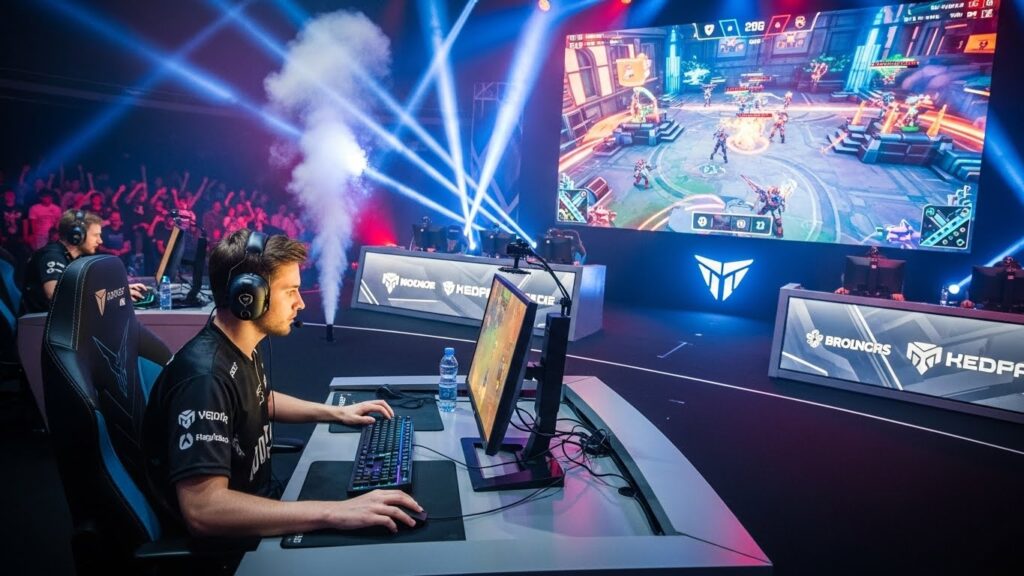
Esports, or competitive video gaming, has transformed from a small hobby into a multi-billion-dollar global industry. What was once considered a pastime for niche communities has grown into a professional realm with international tournaments, professional players, sponsorships, and a massive fan following. This blog will explore the origins, growth, and cultural impact of esports, as well as its challenges and future potential.
The Birth of Competitive Gaming
The history of esports dates back several decades, long before the term “esports” became popular. In the 1970s, early video games such as Pong and Space Invaders sparked friendly competitions among enthusiasts. One of the first recognized competitive gaming events was held in 1972 at Stanford University for the game Spacewar. Though primitive by today’s standards, it laid the groundwork for competitive gaming culture.
The 1980s and 1990s witnessed further evolution with the rise of arcade competitions and home console gaming. Games like Pac-Man, Donkey Kong, and later Street Fighter inspired small tournaments where high scores and player skill were celebrated. The introduction of online multiplayer games such as Doom, Quake, and StarCraft in the 1990s expanded the potential for competitive gaming, enabling players to connect globally and compete against each other remotely.
The Rise of Esports in the 21st Century
The 2000s marked a turning point for esports, turning casual gaming into a structured competitive industry. South Korea played a pivotal role during this era. With games like StarCraft gaining immense popularity, professional gaming leagues and televised tournaments emerged. Government and corporate support for esports in South Korea turned professional gaming into a legitimate career path, inspiring similar developments worldwide.
Meanwhile, the proliferation of high-speed internet and online gaming platforms enabled international tournaments and live streams. The rise of multiplayer online battle arena games and first-person shooters attracted large player bases, and competitions began offering significant cash prizes. The establishment of leagues and organized tournaments transformed gaming from a pastime into a professional sport, setting the stage for global recognition.
Professional Players and Careers in Esports
One of the most notable aspects of modern esports is the emergence of professional players. Unlike traditional sports, where career progression requires years in youth leagues, esports players often rise to fame by competing in local or online tournaments. Platforms where players stream their gameplay have also become a gateway for discovering talent.
Financially, esports offers unprecedented opportunities. Major tournaments now feature multi-million-dollar prize pools, sponsorship deals, and salaries for players. Professional teams operate with management, coaches, analysts, and content creators, mirroring traditional sports organizations. Beyond competitive play, content creation, streaming, and brand partnerships allow players to generate substantial income while connecting directly with fans.
Technology Driving Esports Growth
Technology has played a crucial role in the growth of esports. Powerful gaming PCs, consoles, and high-speed internet have made competitive play accessible and seamless. Modern games offer real-time graphics, smooth gameplay, and online connectivity that are essential for professional competition.
Streaming technology has further revolutionized esports. High-definition broadcasts, live commentary, and interactive features allow fans to watch competitions as if they were attending in person. Virtual reality and augmented reality are beginning to expand esports possibilities, creating immersive experiences that were unimaginable a decade ago. Streaming platforms allow players to showcase their skills, interact with fans, and establish personal brands while giving esports organizations a global reach.
The Esports Ecosystem: Teams, Fans, and Sponsors
Esports is not just about games; it is an ecosystem involving teams, sponsors, fans, and event organizers. Professional teams form the backbone of competitive gaming. Teams focus on specific games or genres, often training extensively to compete at the highest levels. Their performance attracts fan support and sponsorship opportunities.
Sponsorships have become a vital source of revenue. Technology companies, energy drink brands, and lifestyle corporations see esports as an opportunity to reach younger, tech-savvy audiences. These partnerships fund tournaments, player salaries, and team infrastructure, fueling the industry’s growth.
Fans are central to esports’ success. The esports community is highly engaged, attending live events, participating in online discussions, and supporting their favorite players and teams. This sense of belonging and excitement mirrors the passion found in traditional sports but with a strong digital presence. Fans are not passive spectators—they actively shape the esports culture and contribute to its popularity.
Esports in Education and Professional Development
Esports has also made its way into education. Universities and colleges around the world have launched esports programs, offering scholarships, varsity teams, and training facilities. These programs cultivate not only players but also future professionals in esports management, broadcasting, marketing, and game development.
Participating in esports at an academic level teaches skills such as teamwork, strategic thinking, communication, and leadership. As a result, esports is increasingly being recognized as a legitimate career path. Students involved in competitive gaming can pursue opportunities beyond playing professionally, including coaching, content creation, event management, and technology development.
The Intersection of Esports and Traditional Sports
Esports is increasingly intersecting with traditional sports, creating new opportunities for collaboration. Professional sports organizations have begun investing in esports teams to connect with younger audiences. Basketball, soccer, and football leagues have embraced esports tournaments for their respective video game adaptations.
The digital nature of esports allows it to transcend geographic limitations. Unlike traditional sports, which rely on physical venues and local fan bases, esports competitions can attract global audiences online. This has inspired traditional sports franchises to invest in digital platforms and esports tournaments as a way to stay relevant and engage fans across generations.
Challenges Facing the Esports Industry
Despite its rapid growth, esports faces several challenges. The physical and mental well-being of players is a critical concern. Professional players often spend long hours practicing, leading to stress, burnout, and repetitive strain injuries. Sleep deprivation and high-pressure competition can impact both mental and physical health.
Additionally, issues such as cheating, match-fixing, and toxic behavior threaten the integrity of esports. Regulatory bodies and tournament organizers continue to implement measures to combat these issues, but maintaining fair competition and ethical standards remains a persistent challenge. Esports organizations must balance commercial growth with ensuring a safe and sustainable environment for players and fans alike.
The Future of Esports
The future of esports is promising and full of potential. Technological advancements, increased media coverage, and a growing global audience will continue to drive growth. New game genres, virtual reality competitions, and immersive experiences are likely to expand the definition of esports.
As esports becomes more mainstream, it will continue to influence culture, entertainment, and education. Collaborations with traditional sports, media networks, and global brands will further legitimize competitive gaming as a professional pursuit. The ecosystem of players, fans, sponsors, and content creators will continue to evolve, making esports not just a form of entertainment but an integral part of the global cultural landscape.
Conclusion
Esports has evolved from humble beginnings into a global phenomenon that transcends gaming. What began as casual competitions among enthusiasts has transformed into a professional industry with a worldwide audience, professional players, and massive financial opportunities. It has changed the way people perceive gaming, blending entertainment, competition, and digital culture in unprecedented ways.
With continued technological advancements, expanding educational programs, and growing fan engagement, esports is poised to become a defining feature of modern culture. Competitive gaming is no longer just a hobby; it is a legitimate profession, a global spectacle, and a symbol of how technology and creativity can shape the future of sports and entertainment.




More Stories
Pixels to Podiums: The Rise of Esports as a Modern Sporting Power
Beyond the Screen: How Esports Is Redefining Competition, Culture, and Careers
Pixels to Glory: The Rise of Esports as a Global Sporting Powerhouse