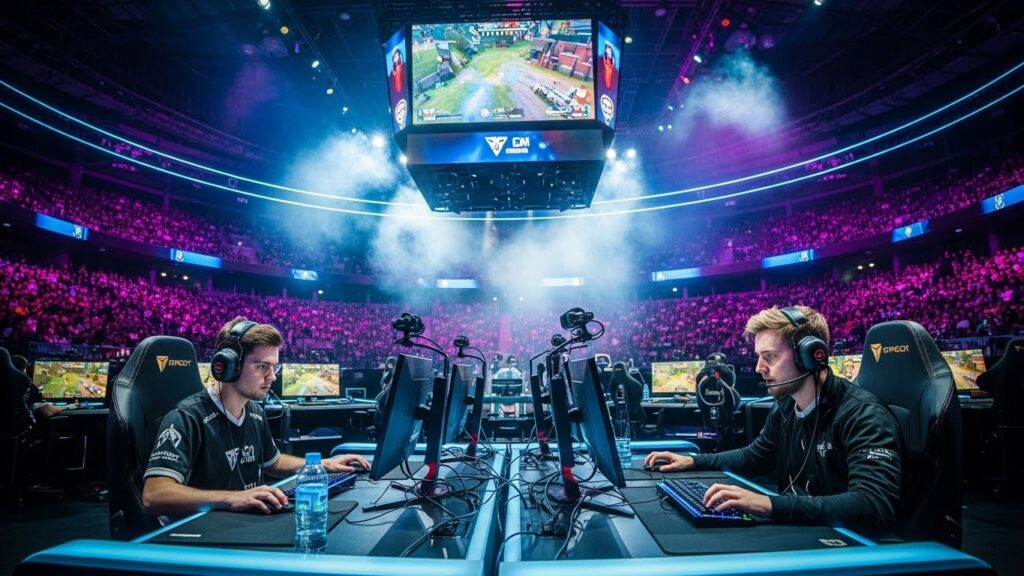
Esports, once considered a niche hobby for gaming enthusiasts, has grown into a global phenomenon over the past two decades. It has transformed the way people view competition, entertainment, and even careers. With professional leagues, high-stakes tournaments, and a passionate fanbase, esports now commands the same respect and attention as traditional sports. This blog explores the history, growth, impact, and future of esports, illustrating why it has become a defining element of modern culture.
The Origins of Esports
The roots of competitive gaming date back to the late 1970s and 1980s when arcade competitions became popular. Early gaming contests revolved around achieving the highest score in classic arcade games such as Pac-Man, Space Invaders, and Donkey Kong. Though small in scale, these competitions demonstrated the appeal of gaming as a competitive endeavor.
The 1990s brought significant evolution. With the rise of personal computers and networked gaming, players could now challenge opponents from across the globe. Titles like Quake, StarCraft, and Counter-Strike paved the way for organized competitions and laid the foundation for professional esports leagues. Online tournaments and LAN parties provided a new platform for players to showcase their skills and connect with like-minded gamers.
Why Esports Appeals to Millions
Esports resonates with people for several reasons, making it one of the fastest-growing entertainment sectors worldwide.
Accessibility and Inclusivity
Unlike traditional sports that require specific physical abilities or access to expensive equipment, esports can be played by anyone with a computer or gaming console. This accessibility has allowed players from diverse backgrounds and countries to participate, fostering a truly global community.
Engaging Entertainment
Esports offers high-intensity entertainment that combines strategy, skill, and unpredictability. Fans are drawn to the emotional highs and lows of competitive matches, often witnessing incredible comebacks or skillful maneuvers that create memorable moments.
Community and Social Interaction
Esports thrives on community. Online platforms allow players and fans to connect, share tips, discuss strategies, and celebrate victories together. This social aspect enhances the experience and keeps fans engaged over time.
The Rise of Professional Esports Players
Professional esports players are no longer casual gamers; they are athletes in their own right. The journey to becoming a pro involves dedication, discipline, and rigorous practice.
Training and Discipline
Professional gamers follow structured training routines, similar to those of traditional athletes. They practice several hours daily, focusing on improving mechanics, reaction time, and strategic decision-making. Many also work with coaches, analysts, and nutritionists to maintain peak performance.
Team Dynamics
Esports teams operate like traditional sports organizations. Teams consist of players, coaches, analysts, content creators, and managers, all working together to achieve competitive success. Collaboration and communication are essential, as many popular esports games rely on coordinated team play.
Career Longevity and Challenges
While esports can be lucrative, it comes with challenges. Players face intense pressure, potential burnout, and a relatively short competitive lifespan. Despite these hurdles, top-tier players enjoy fame, sponsorship deals, and opportunities to transition into coaching, content creation, or management roles after retiring from competition.
Popular Esports Genres
Esports encompasses a wide range of game genres, each attracting a distinct fanbase and professional scene.
Multiplayer Online Battle Arenas (MOBAs)
MOBAs, such as League of Legends and Dota 2, require teamwork, strategy, and quick decision-making. Matches often last between 30 minutes to an hour, with teams striving to outmaneuver opponents and achieve specific objectives. The complexity and unpredictability of these games make them highly engaging for both players and spectators.
First-Person Shooters (FPS)
FPS games, including Counter-Strike: Global Offensive and Call of Duty, emphasize fast reflexes, accuracy, and tactical thinking. High-paced action and sudden turns in gameplay contribute to their popularity in esports tournaments.
Sports Simulation Games
Titles like FIFA and NBA 2K bring traditional sports into the digital realm. These games attract both gaming enthusiasts and sports fans, offering realistic gameplay and the thrill of virtual competition.
Fighting Games
Fighting games such as Street Fighter and Super Smash Bros. focus on one-on-one battles, precision, and timing. The community surrounding fighting games is passionate and supportive, maintaining a strong presence in esports culture.
The Fan Experience
Esports fans engage with the industry in ways that differ from traditional sports audiences.
Interactive Streaming
Streaming platforms allow fans to watch matches live while interacting with commentators and other viewers. This creates a highly interactive experience where fans can discuss strategies, cheer for their favorite teams, and feel like part of the action.
Close Connection with Players
Many professional gamers stream their practice sessions, gameplay, and even daily lives. This level of access fosters personal connections between fans and players, creating a sense of loyalty and community that traditional sports rarely offer.
Global Reach
Esports transcends borders, with fans supporting teams and players from all over the world. International tournaments bring together competitors and audiences from diverse cultures, enhancing the global appeal of the industry.
Economic Impact of Esports
Esports has grown into a multi-billion-dollar industry, influencing global economies and shaping business trends.
Sponsorship and Advertising
Brands recognize the potential of reaching young, tech-savvy audiences through esports sponsorships. These partnerships provide funding for teams, tournaments, and events, while giving companies exposure to a dedicated fanbase.
Merchandise and Products
Sales of team merchandise, gaming peripherals, and collector items generate significant revenue. Fans proudly display their allegiance through jerseys, accessories, and branded equipment.
Event Revenue
Esports events draw large audiences both online and in-person. Tournaments fill arenas and stadiums, creating revenue streams from ticket sales, concessions, and broadcasting rights.
Influence on Related Industries
Esports has spurred growth in related sectors, including gaming hardware, software development, streaming services, and content creation, further demonstrating its economic influence.
Education and Career Opportunities in Esports
Esports is no longer limited to playing games professionally; it has become a viable career path with diverse opportunities.
Academic Programs
Universities and schools now offer courses and degrees focused on esports management, game design, marketing, and broadcasting. These programs equip students with the knowledge and skills needed to thrive in the industry.
Scholarships and Collegiate Teams
Competitive gaming teams have become part of college programs, offering scholarships to talented players. Students can represent their institutions while developing skills applicable to careers in esports and gaming.
Industry Roles Beyond Gaming
Esports offers career opportunities beyond professional play. Roles such as event management, content creation, analytics, marketing, coaching, and software development are integral to the industry’s growth.
Esports as a Legitimate Sport
Debates about whether esports qualifies as a sport have largely subsided. Modern recognition emphasizes the similarities between esports and traditional athletics.
Mental Skill and Strategy
Competitive gaming requires intense focus, strategic thinking, and quick decision-making. These mental challenges parallel the strategic demands of traditional sports.
Structured Training and Coaching
Esports athletes train rigorously, often following schedules similar to those of professional athletes in traditional sports. Coaching, analysis, and practice routines are standard.
Professional Infrastructure
The presence of leagues, contracts, sponsorships, and tournaments mirrors the organizational structure of traditional sports, giving esports credibility as a legitimate competitive field.
Challenges Facing the Esports Industry
Despite its growth, esports faces challenges that will shape its future.
Player Burnout and Health Concerns
Intense practice schedules, high pressure, and long hours in front of screens can lead to physical and mental health issues. Organizations increasingly emphasize wellness programs and mental health support.
Fair Play and Regulation
Maintaining fair competition is critical. Anti-cheat systems, standardized rules, and ethical guidelines are essential to protect integrity and trust within esports.
Sustainability of Organizations
Not all esports teams or events are financially stable. Developing sustainable business models is crucial for long-term growth and success.
Diversity and Inclusion
Creating a more inclusive environment remains an ongoing goal. Esports must continue efforts to ensure that players and fans from all backgrounds feel welcomed and represented.
The Future of Esports
Esports continues to evolve, driven by technological innovation and growing global interest.
Virtual Reality and Immersive Gaming
The integration of virtual reality could redefine esports, offering fully immersive experiences for players and spectators alike.
Expansion of Mobile Esports
Mobile gaming has unlocked new audiences and regions, making esports more accessible and rapidly expanding its player base.
Mainstream Recognition
With increased investment from corporations, media outlets, and educational institutions, esports is becoming a central component of mainstream entertainment culture.
Technological Advancements
Advances in streaming, gaming platforms, and artificial intelligence will continue to enhance both performance and spectator experiences, further solidifying esports’ place in global culture.
Conclusion
Esports has come a long way from its humble beginnings in arcades and small LAN parties. It has transformed into a global industry with professional athletes, massive tournaments, and millions of dedicated fans. The digital arena now offers opportunities for players, creators, businesses, and educators, reflecting its growing influence in modern society. As technology advances and younger generations embrace gaming, esports is poised to become an even more prominent part of entertainment, culture, and global competition. It is no longer just a pastime; it is a revolution in how we perceive sport, skill, and community.



More Stories
Pixels to Podiums: The Rise of Esports as a Modern Sporting Power
Beyond the Screen: How Esports Is Redefining Competition, Culture, and Careers
Pixels to Glory: The Rise of Esports as a Global Sporting Powerhouse