Introduction
In the last decade, a new form of entertainment has surged in popularity, transforming the gaming landscape forever. eSports, short for electronic sports, has evolved from casual video game competitions into a massive global industry with millions of viewers, professional players, lucrative sponsorships, and dedicated fans. What started as a niche hobby has become a cultural and economic force, drawing comparisons to traditional sports. With prize pools rivaling those of major sporting events and a growing fanbase, eSports is undeniably one of the most exciting and rapidly expanding industries today. This blog will explore the origins of eSports, its rise to global prominence, and its impact on culture, business, and society.
The Birth of Competitive Gaming
The roots of eSports can be traced back to the early days of video games. In the 1970s, arcade games like Space Invaders and Pong became popular, and players would often compete for high scores. These informal competitions laid the groundwork for what would eventually become organized tournaments. The first official video game tournament was held by Atari in 1972, where participants competed in Space Invaders.
However, it wasn’t until the late 1990s and early 2000s, with the advent of more complex multiplayer games, that competitive gaming began to take shape in the way we recognize it today. Games like StarCraft, Warcraft III, and Quake allowed players to compete against one another online, and with the rise of the internet, the concept of large-scale competitions began to materialize. In the early 2000s, several major tournaments started to take place, drawing attention from players and fans alike.
One of the pivotal moments in eSports history was the launch of StarCraft in 1998. The game’s fast-paced, strategic gameplay and its ability to be played online paved the way for competitive gaming in South Korea, where it gained a cult following. South Korea became the epicenter of eSports, with dedicated television broadcasts and professional leagues, establishing the foundation for the global eSports scene.
The Growth of eSports: From Niche to Global Industry
eSports started to gain global recognition in the late 2000s, particularly with the rise of streaming platforms like Twitch. Founded in 2011, Twitch revolutionized the way people experienced video games, allowing gamers to stream their gameplay live while interacting with viewers. This new form of engagement created a thriving community of fans, commentators, and players who could watch competitions in real-time, from anywhere in the world.
As eSports grew in popularity, it attracted the attention of large brands and corporations. Sponsorships from major companies like Intel, Coca-Cola, and Mercedes-Benz helped fund tournaments, provide prizes for winners, and promote eSports on a larger scale. At the same time, streaming platforms like Twitch made it possible for players to make money by broadcasting their gameplay, further cementing the notion that eSports could be a legitimate career choice.
Major tournaments like The International (Dota 2), League of Legends World Championship, and Overwatch League saw prize pools balloon into the millions of dollars. The competitive nature of these events, combined with their massive viewership, helped bring eSports into the mainstream. What was once a niche activity was now an international spectacle, attracting audiences comparable to those of traditional sports events like the Super Bowl or the FIFA World Cup.
The Appeal of eSports: Why People Watch and Play
The rise of eSports is driven by several factors that make it uniquely appealing to fans and participants alike. One of the main attractions is the excitement and intensity of the competition. Just like traditional sports, eSports tournaments offer a high-stakes environment where players and teams compete for glory, fame, and money. The thrill of watching highly skilled players execute complex strategies, perform rapid decision-making, and overcome obstacles resonates with viewers, making eSports an electrifying form of entertainment.
Another key factor in eSports’ rise is the accessibility it offers. While traditional sports often require expensive equipment, facilities, or geographic proximity to teams, anyone with a computer and an internet connection can play or watch eSports. This low barrier to entry has contributed to the massive growth of the eSports community. Moreover, games like Fortnite, League of Legends, and Counter-Strike are free to play, meaning that anyone can participate without significant financial investment.
Streaming platforms like Twitch also add an interactive element to the eSports experience. Fans can chat with players, ask questions, and participate in real-time discussions during live events. This sense of community makes eSports more personal and engaging, allowing fans to feel as though they are part of the action. Players themselves have become influencers, building massive social media followings that transcend their gaming careers. Top streamers like Ninja, PewDiePie, and Shroud have turned gaming into a mainstream cultural phenomenon, bringing eSports even further into the public eye.
The Professionalization of eSports
As eSports has grown, it has transformed into a professional industry. Just like traditional sports, eSports now involves not only players but also coaches, analysts, and managers. Professional players train for hours each day, honing their skills and perfecting their strategies in order to compete at the highest level. Top teams have full-time coaches who help players analyze gameplay, devise strategies, and maintain peak performance. Teams also have support staff to manage logistics, marketing, and sponsorship deals.
Salaries for professional players can be substantial. Some of the best-known eSports players earn millions of dollars annually through tournament winnings, sponsorships, and streaming revenue. For example, players competing in Dota 2’s The International can take home prize money in the millions, with the 2018 prize pool reaching over $25 million. In addition to tournament prizes, professional players also sign sponsorship deals with major companies, making eSports a lucrative career for top-tier competitors.
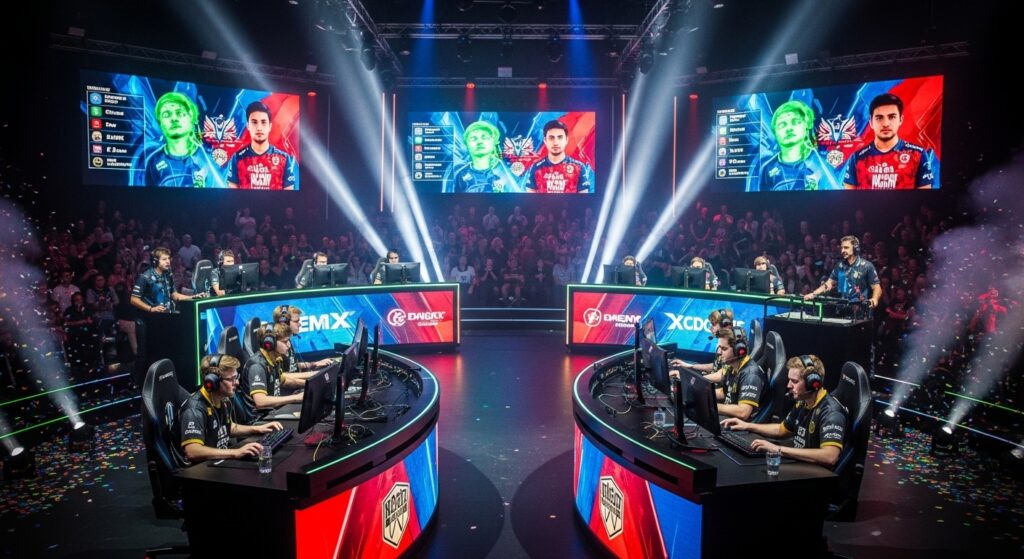
As eSports has professionalized, so too has the level of competition. Tournaments are held in massive arenas, with production values similar to those of traditional sports broadcasts. The infrastructure surrounding eSports has evolved to include broadcast teams, commentators, analysts, and even cheerleaders. These tournaments are now streamed to millions of viewers, who watch not only for the gameplay but also for the personalities of the players and the drama that unfolds throughout the competition.
The Business Side of eSports: Sponsorships and Revenue Streams
eSports has become a multi-billion-dollar industry, with revenue coming from various sources. Sponsorships are one of the largest revenue streams, with brands keen to associate themselves with the growing popularity of eSports. Companies like Intel, Red Bull, and Coca-Cola sponsor teams, tournaments, and individual players, in exchange for brand exposure to a young, engaged audience.
In addition to sponsorships, eSports generates significant revenue through advertising, media rights, merchandise sales, and ticket sales for live events. Media companies are increasingly investing in broadcasting eSports, with networks like ESPN and NBC Sports covering major tournaments. This has helped bring eSports to an even broader audience, making it accessible not only on streaming platforms but also through traditional television.
Another growing revenue stream in eSports is betting. Similar to traditional sports, fans can place bets on the outcomes of eSports tournaments, with sportsbooks offering odds on popular games like Counter-Strike: Global Offensive and League of Legends. The legal sports betting market in the United States is also opening doors for eSports betting to become more widely accepted.
The Cultural Impact of eSports
eSports has had a profound impact on global culture, especially in terms of how video games are perceived. What was once considered a solitary, niche activity has evolved into a mainstream form of entertainment. Players and teams now have global fanbases, and eSports tournaments are broadcast in multiple languages, reaching viewers from all corners of the world. The rise of eSports has also given birth to a new generation of digital celebrities. Players like Faker, Ninja, and S1mple have become household names, with legions of fans following their every move on social media.
Moreover, eSports has become a powerful tool for socializing and community-building. Gamers from different countries and cultures can connect online, form teams, and support each other in their pursuit of competitive success. eSports fosters a sense of belonging for people who might not have access to traditional sports teams or community activities. It’s a space where anyone with a passion for gaming can find a like-minded group and compete on a global stage.
Challenges and Controversies in eSports
Despite its rapid growth, eSports faces several challenges. One of the biggest issues is player burnout. The intense schedule of training, tournaments, and streaming can take a toll on players’ mental and physical health. Many top players have experienced burnout, leading to early retirements or breaks from competition. Mental health awareness within the eSports community is becoming more important, with more organizations offering support to players who are struggling with the pressures of the game.
Another challenge is the lack of regulation and consistency in eSports governance. Unlike traditional sports, where governing bodies provide structure and oversight, eSports is still a relatively young industry with little central regulation. As the industry grows, it will be essential to establish fair rules for player contracts, tournament structures, and anti-cheating measures to ensure long-term sustainability.
The Future of eSports: What’s Next?
The future of eSports looks incredibly promising. As technology advances, we can expect even more immersive gaming experiences, with virtual reality (VR) and augmented reality (AR) playing a larger role in competitive gaming. The integration of new technologies will allow players to engage in more complex and dynamic environments, raising the level of competition to new heights.


More Stories
Pixels to Podiums: The Rise of Esports as a Modern Sporting Power
Beyond the Screen: How Esports Is Redefining Competition, Culture, and Careers
Pixels to Glory: The Rise of Esports as a Global Sporting Powerhouse